

Why Cleanrooms Matter in Solar PV Manufacturing
Airborne particles as small as a micron can cut solar cell efficiency and yield. Here is why cleanrooms are essential to solar PV manufacturing.
8 min read · a working guide by the Fabtech Cleanrooms engineering team · first published 2026-01-21
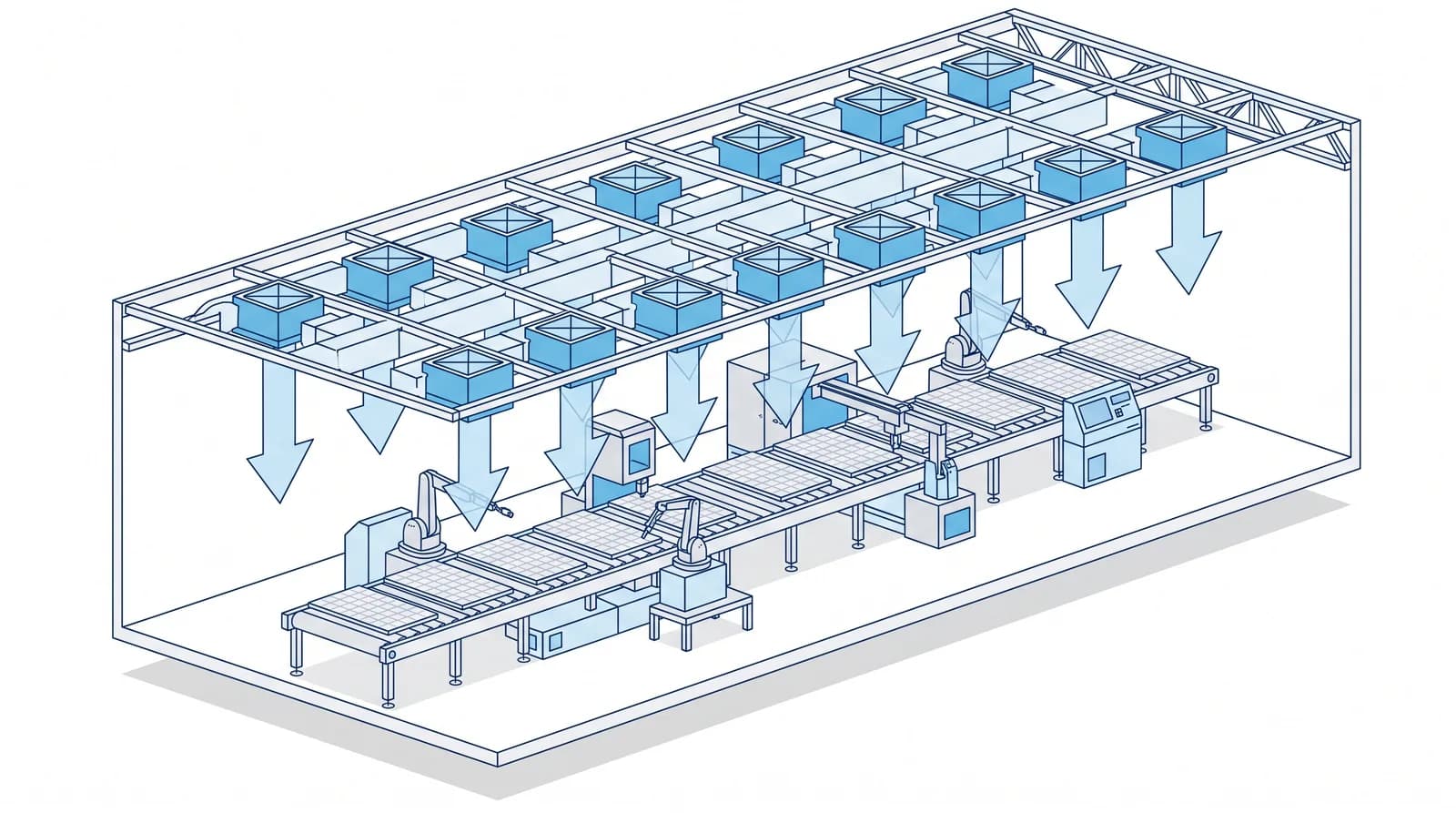
The guide
A few years ago, I had a solar panel installed on my family's home in my hometown. It was not just about saving on electricity bills. It was about making a meaningful contribution toward sustainability by adopting clean, renewable energy and lowering our carbon footprint.
Living in Mumbai, even amid dense high-rise apartments, it is encouraging to see residential societies increasingly adopting solar installations. This growing awareness reflects a global shift toward renewable energy, placing solar photovoltaic (PV) technology firmly in the spotlight. As more people and businesses adopt solar power, the demand for high-efficiency solar cells and panels has increased significantly.
While we often view solar panels as clean, eco-friendly systems sitting quietly on rooftops, what is less visible is the highly controlled and complex environment required to manufacture these high-performance products. To achieve superior efficiency, durability, and long-term reliability, cleanrooms for solar PV manufacturing are no longer optional. They are essential.
01
Why Does a Cleanroom Matter?
In semiconductor cleanrooms built for the solar industry, even microscopic particles, often as small as a micron, can disrupt critical processes. Controlling these variables is not just about maintaining cleanliness. It is about protecting the delicate physics and chemistry involved in solar cell manufacturing.
1. Protecting Core Solar Cell Processes
Solar PV manufacturing involves a series of precision steps that are highly sensitive to contamination.
Wafer production and surface texturing. Solar cells typically start as silicon wafers. These wafers undergo surface texturing, doping, passivation, and thin-film deposition. Airborne particles, chemical vapours, or metallic impurities can settle on wafer surfaces, causing pinholes, uneven coating thickness, or impurity sites. These defects can directly interfere with the cell's ability to absorb sunlight and convert it into electricity.
Silicon wafers must also be cut, polished, and chemically treated under tightly controlled conditions. Many of these processes involve high temperatures, chemical reactions, and vacuum chambers, making contamination control critical to prevent particle buildup and surface damage.
Thin-film deposition and coatings. Processes such as PECVD (Plasma-Enhanced Chemical Vapour Deposition) and PVD (Physical Vapour Deposition) are used to deposit thin layers of materials on the wafer. Airborne contamination during these steps can lead to delamination, voids, or inconsistent layers, ultimately degrading electrical performance and long-term durability.
Doping and metallization. Doping introduces elements such as phosphorus or boron to modify the electrical properties of silicon and form the essential p-n junction. That junction drives the photovoltaic effect that generates electricity when the cell is exposed to sunlight.
In each of these processes, a cleanroom environment ensures that air purity, particulate levels, humidity, and pressure are tightly controlled to reduce the risk of defects that could affect the material properties of the silicon.
2. Maximising Conversion Efficiency
The efficiency of a solar cell is defined by the percentage of sunlight it can convert into usable electricity. This is the most important performance metric in PV technology, because even the tiniest contaminant can compromise it.
Particles as small as one micron can block light or interfere with the electrical properties of solar cells. In thin-film and crystalline silicon processes, surface defects caused by particles can reduce light absorption and carrier mobility, which directly lowers conversion efficiency.
Cleanrooms are equally important during testing and sorting stages. By preventing exposure to dust or airborne particles, they ensure accurate performance measurements and allow manufacturers to select only the highest-performing cells for final module assembly. This controlled environment enables consistent production of high-efficiency modules with tighter performance tolerances.
3. Improving Yield and Reducing Waste
Manufacturers measure success not only by efficiency but also by yield, the percentage of products that meet quality standards without defects.
Contamination leads to defects, which in turn cause rework, rejects, and wasted materials. For large-scale PV production, even a small reduction in yield can translate into significant financial loss and resource waste. Cleanroom technology for solar cells reduces these risks by minimising contamination at every step, from wafer handling to final module assembly.
Effective cleanroom design can mean the difference between producing thousands of high-performing modules and thousands of units that underperform or fail prematurely.
4. Ensuring Long-Term Durability and Reliability
Solar panels are expected to last 25 years or more under harsh outdoor conditions. However, contamination introduced during manufacturing can create weak spots that accelerate degradation over time.
For example, particulate contamination on the cell surface or within encapsulation layers can reduce the panel's efficiency or trigger long-term reliability issues. By keeping the manufacturing environment clean, these pathways to early degradation are minimised, improving long-term reliability and reducing maintenance or replacement costs.
A controlled cleanroom environment helps ensure uniform encapsulation, consistent adhesion, and reduced risk of moisture ingress, one of the most common long-term failure modes in PV modules.
5. Meeting Global Quality and Regulatory Standards
High-efficiency PV products must comply with stringent international quality and reliability standards to be accepted in global markets. Many of these standards implicitly or explicitly require controlled cleanroom conditions during solar panel manufacturing.
Cleanrooms help manufacturers meet these industry and regulatory expectations by providing documented environmental control and traceability. This not only supports product performance claims but also strengthens trust with EPC partners, utilities, and end customers.
6. Energy Efficiency and Sustainability Considerations
The industry is actively advancing energy-efficient cleanroom HVAC for solar manufacturing.
Modern facilities employ optimised airflow strategies, high-efficiency filtration, heat recovery systems, and intelligent monitoring to reduce energy consumption. These advances help align cleanroom operations with the broader sustainability goals of clean energy manufacturing.
7. Enabling Next-Generation Solar Technologies
As PV technology progresses toward next-generation architectures such as tandem cells, heterojunction designs, and perovskite-silicon hybrids, the demands on manufacturing precision will only become more stringent. These advanced cells require even tighter environmental control to realise their theoretical efficiency advantages.
Emerging materials, particularly perovskites, are highly sensitive to moisture and particulate contamination. Research consistently shows that environmental control is a key barrier to achieving stable, high-yield production. Cleanrooms will play a central role in transitioning these technologies from laboratory-scale research to commercial manufacturing.
02
A Non-Negotiable Infrastructure for PV Excellence
In the journey from raw silicon to high-performance solar panels, the cleanroom is far more than a supporting facility. It is the foundation of quality, yield, and performance.
By protecting sensitive processes, maximising efficiency, improving yield, enhancing durability, and supporting compliance with global standards, a well-engineered cleanroom directly enables the long-term success of solar technology. Investing in cleanroom infrastructure is not only about better manufacturing today. It is about the advanced solar industry of tomorrow.
If you are planning a facility, Fabtech designs, builds and validates cleanrooms for solar and photovoltaic manufacturing. Read how the requirement changes for the solar sector on the cleanroom solutions for the solar and photovoltaics industry page, see how the airflow and filtration are engineered on the cleanroom HVAC page, and follow the full route from concept to validated handover on the cleanroom design and build page. Talk to us about controlled environments that will help deliver reliable, durable and high-performing clean energy for decades to come.
Keep reading
More from design and build
Guide · 9 min read
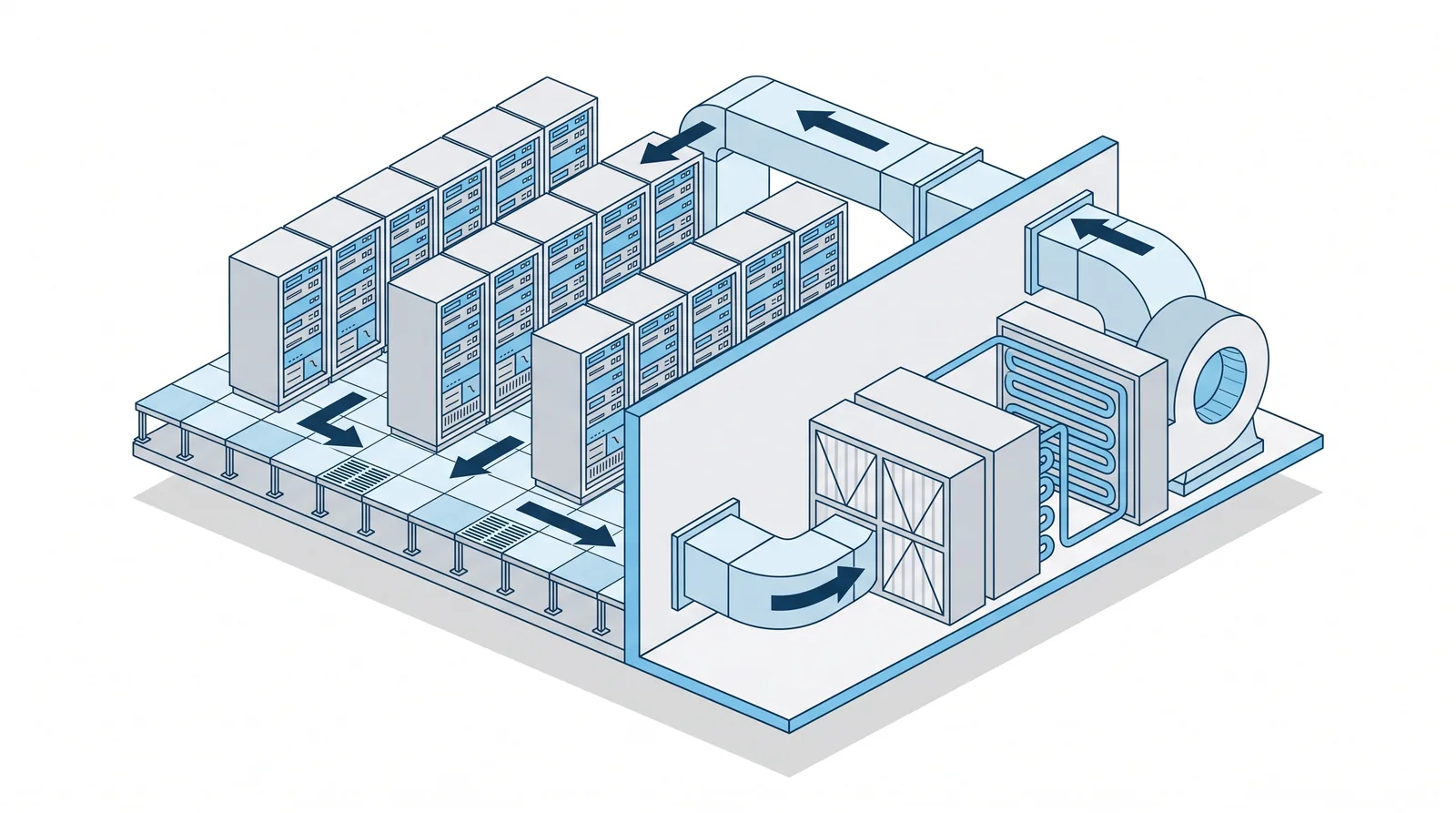
Cleanrooms for Data Centres: The Intelligent Infrastructure Behind the Digital World
How cleanroom systems protect data centre equipment with HEPA/ULPA filtration, controlled airflow, and precise temperature, humidity and particle control.
Guide · 8 min read
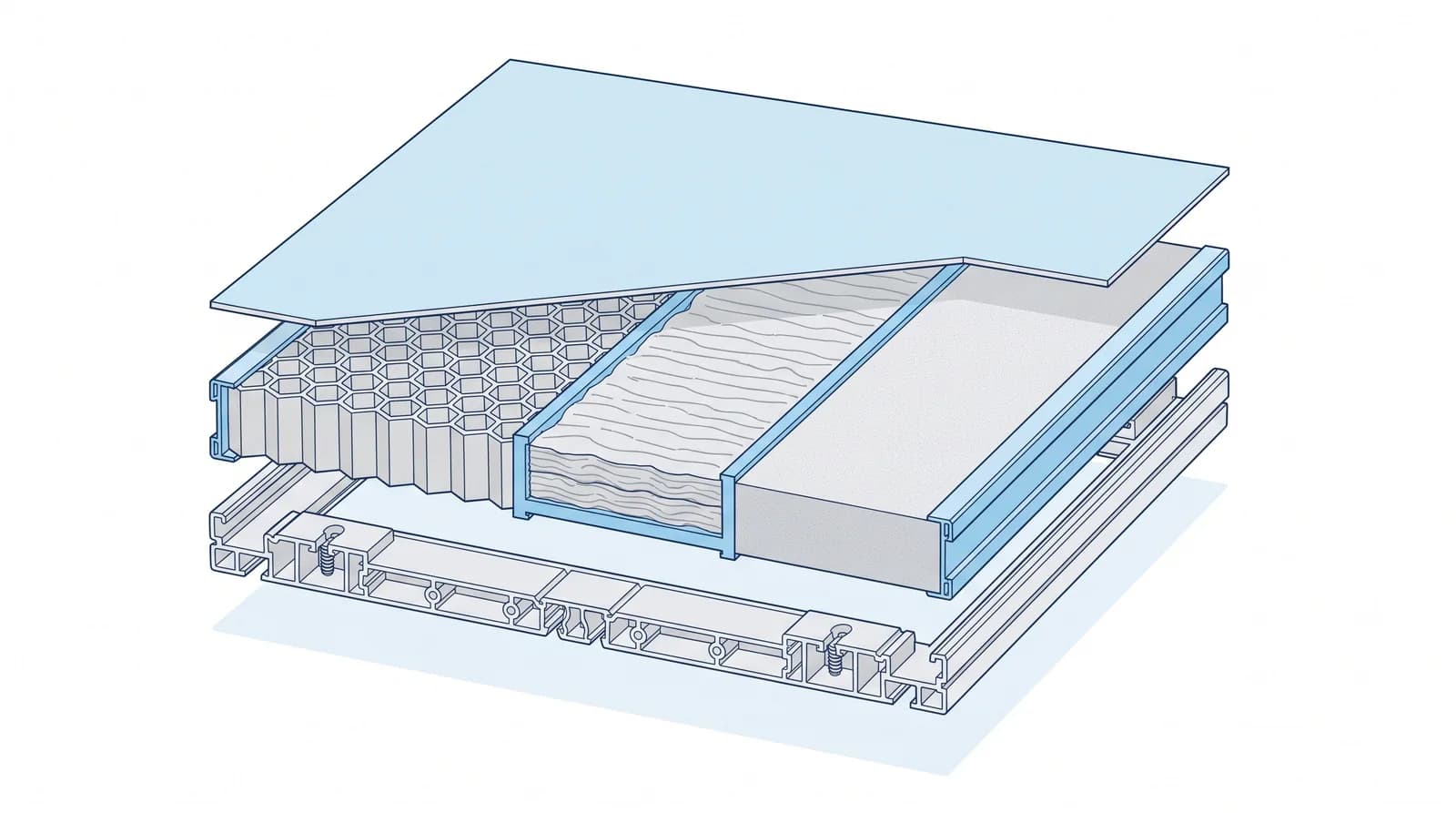
A Guide to Cleanroom Panels and Infill Materials Across Industries
A technical guide to cleanroom wall panels and infill core materials for pharmaceutical, solar, electronics and semiconductor cleanrooms.
Guide · 8 min read
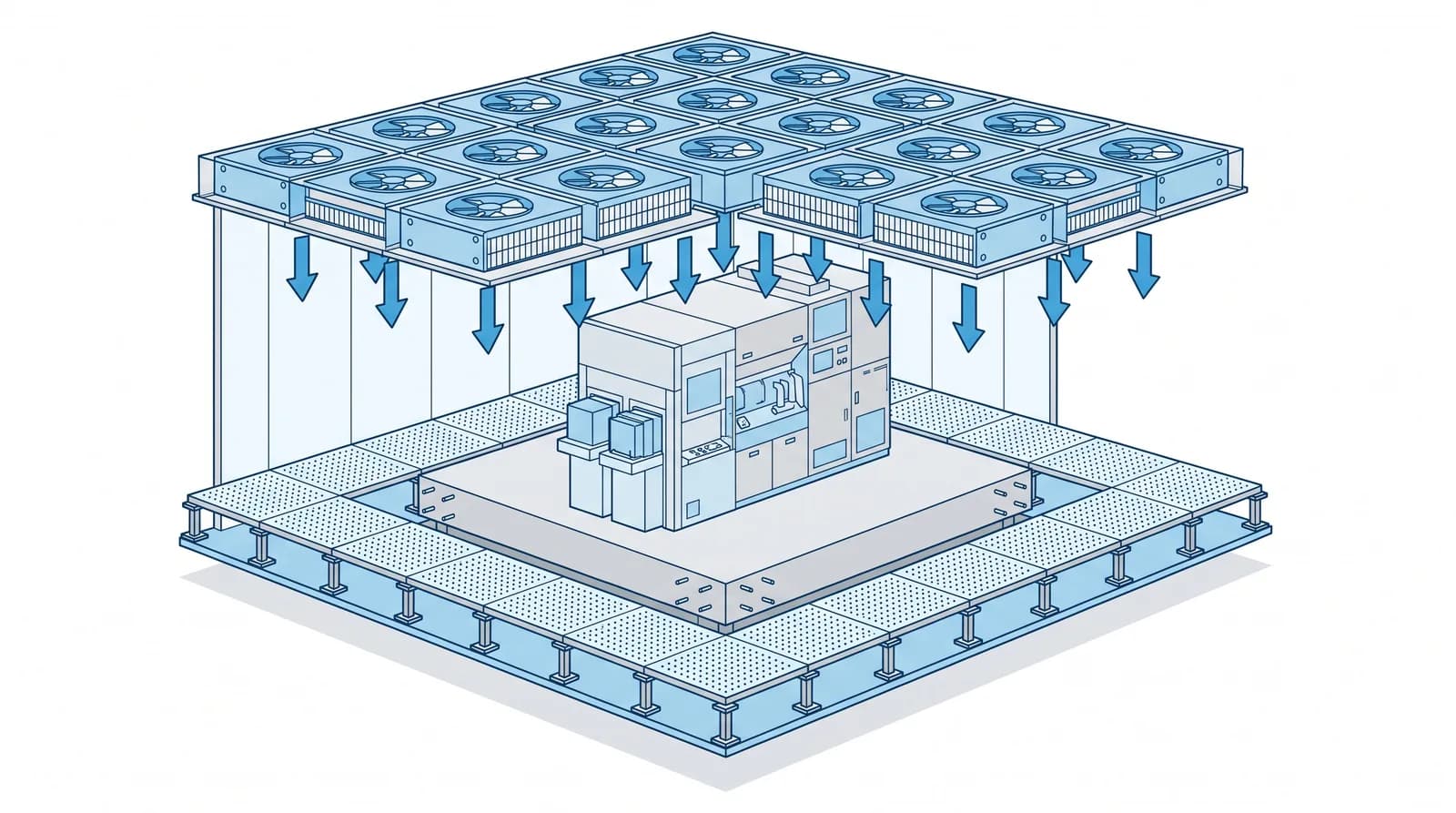
How Modular Cleanrooms Satisfy Semiconductor Requirements
How modular cleanrooms meet semiconductor fab requirements: panel engineering, HEPA/ULPA HVAC, laminar airflow, vibration isolation and monitoring.
Ready to move from reading to scoping? Our turnkey cleanroom services cover design, construction and validated handover as one accountable scope.
Talk to the engineers