

How Modular Cleanrooms Satisfy Semiconductor Requirements
How modular cleanrooms meet semiconductor fab requirements: panel engineering, HEPA/ULPA HVAC, laminar airflow, vibration isolation and monitoring.
8 min read · a working guide by the Fabtech Cleanrooms engineering team · first published 2025-10-03
The guide
The semiconductor industry is built on precision. Every chip is made of billions of microscopic structures, and even the smallest contamination can cost yield or make a device fail. That kind of careful, close-tolerance work is simply not possible in an ordinary room, which is why cleanrooms sit at the backbone of the semiconductor industry. They hold the ultra-clean, particle-controlled conditions needed to build next-generation devices.
Fixed cleanrooms have played that protective role for a long time. More recently, modular cleanrooms have emerged as a strong alternative, pairing the same technical performance with flexibility, scalability and speed. That raises a fair question: can a modular cleanroom really satisfy the rigorous demands of semiconductor manufacturing?
01
How modular cleanrooms perform in semiconductor manufacturing
1. Panel engineering and material design
Modular cleanroom panels are built from FM-approved, non-shedding and non-outgassing materials, such as high-pressure laminates for durability, powder-coated steel for robust hygiene, or ESD-safe stainless steel for electrostatic protection. The panels use airtight seals to prevent micro-leaks and particle ingress, and they can carry conductive coatings that stop static from building up and provide reliable ESD protection. They are also engineered for chemical resistance, which matters in fabs where corrosive gases and solvents are in constant use.
2. Advanced HVAC integration
Modular cleanrooms can integrate HEPA and ULPA filtration (up to 99.9995% efficiency at 0.12 microns), which is essential for the most stringent ISO Class 1 to 3 environments. The HVAC configuration enables zoned airflow, delivering different air changes per hour (ACPH) to separate process areas. A lithography zone might run at a very high air-change rate while an assembly area runs lower. Modular systems can also include dedicated temperature and humidity control per zone, with tight temperature stability and humidity control to prevent wafer warping, resist problems or chemical imbalance.
3. Airflow design
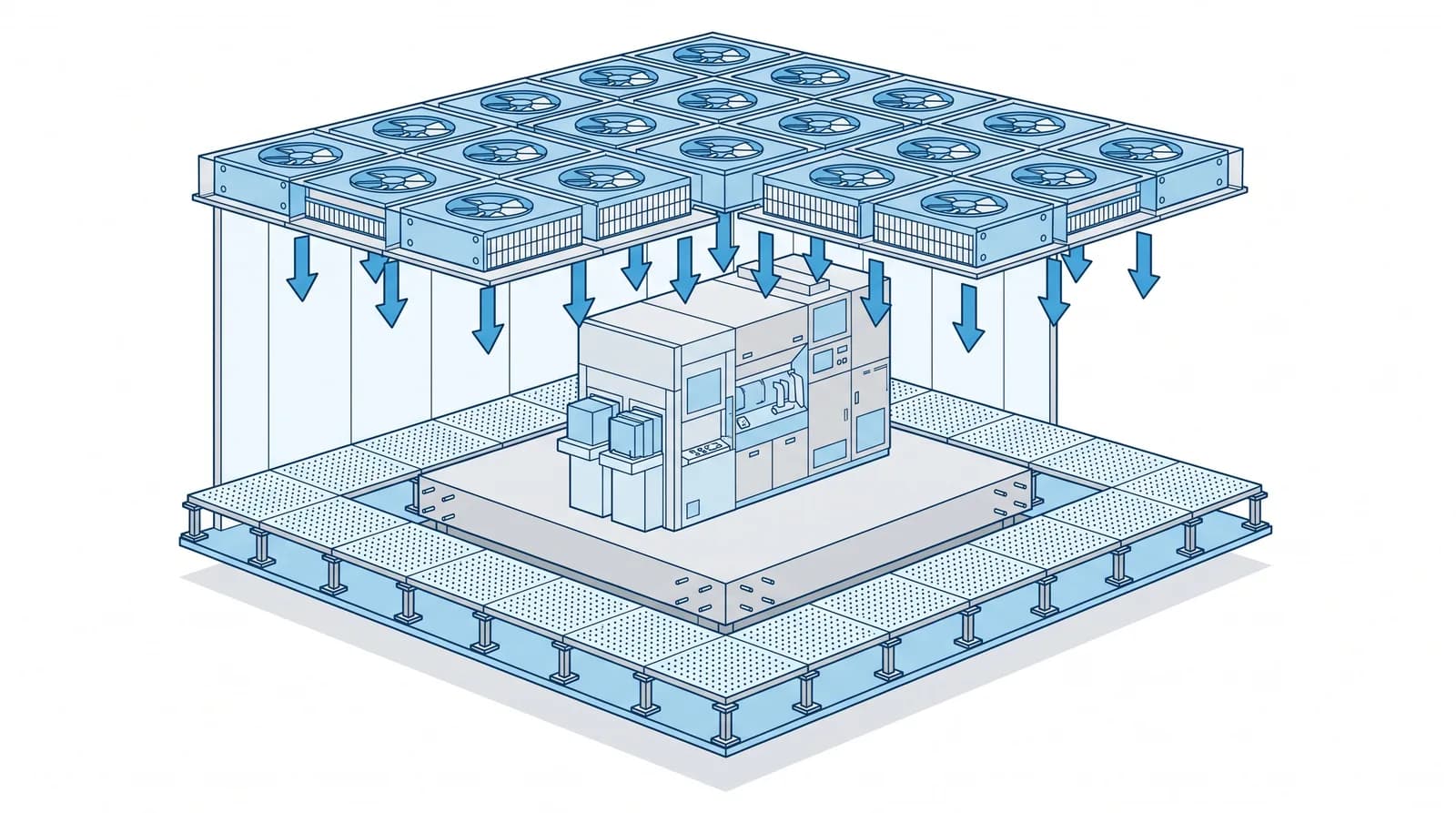
Airflow is not only about cleanliness. It is about the directional control of contaminants. Vertical laminar air flow (LAF) systems carry particles away from work areas, moving air in a straight path from ceiling to floor. Low-wall or underfloor returns help keep that airflow uniform and clear particles efficiently. Positive-pressure zones protect critical process areas by keeping contaminants out, while negative-pressure zones are used in chemical-handling areas to stop hazardous vapours from escaping into the fab. This tailored airflow keeps each stage of chipmaking, from photolithography to etching, free of particles.
4. Vibration isolation
Modular cleanrooms can be installed with isolated subfloor systems or vibration-damping mounts for sensitive tools such as steppers and scanners. HVAC equipment can be mounted remotely or on vibration dampers to reduce transmission. This level of engineering is what keeps manufacturing accurate into the sub-nanometer range.
5. Integrated environmental monitoring
Modular cleanrooms can be integrated with particle counters, temperature and humidity sensors, and airflow monitors, all connected to a Building Management System (BMS). That gives real-time compliance checks, early detection of deviations and readiness for audit at any time.
02
Why semiconductor fabs choose modular cleanrooms
Modular cleanrooms match the technical performance of permanent facilities, and they bring advantages that make them well suited to semiconductor fabs.
1. Faster construction
Modular systems can be built off-site and installed in a fraction of the time a traditional build takes. That faster deployment means faster time to production, which is a crucial factor in a fast-moving chip market.
2. Scalability and flexibility
Semiconductor technology evolves quickly. Modular cleanrooms allow quick expansion as production scales, reconfiguration of layouts for new processes, and integration of future technologies without major reconstruction. That flexibility protects a fab from becoming obsolete too soon.
3. Lower downtime for upgrades
Unlike traditional cleanrooms, modular systems are designed for component-level replacement. Individual panels, HEPA modules or HVAC zones can be upgraded without shutting the whole facility down, which reduces costly downtime.
4. Cost efficiency
Modular construction supports phased investment. A fab can start with a smaller facility and expand in step with market demand. That avoids overbuilding and improves capital efficiency while still holding compliance with stringent standards.
5. Compliance with global standards
Modular cleanrooms can be engineered to comply with ISO 14644 for cleanroom classification, IEST standards for particle and contamination control, and SEMI standards for semiconductor manufacturing environments. That means a fab can approach audits with confidence and meet global regulatory expectations.
03
The future of semiconductor manufacturing with modular cleanrooms
From smartphones and EVs to AI and quantum computing, chips are in demand across more and more industries. That shift raises the need for cleanroom infrastructure that is flexible, compliant and scalable. Semiconductor manufacturing asks for the highest levels of precision and control, and modular cleanrooms, with their technical robustness and operational flexibility, are proving to be a strong fit. They give a fab the confidence of compliance, the efficiency of modularity and the agility to adapt as technology shifts. Far from being temporary or secondary, modular cleanrooms have become a core strategy for future-ready semiconductor fabs.
By combining panel engineering, HVAC precision, contamination control, vibration isolation and real-time monitoring, modular cleanrooms meet the requirements of a semiconductor fab and, in several respects, improve on traditional fixed builds.
04
Build your semiconductor cleanroom with Fabtech
Fabtech Cleanrooms designs, builds and validates modular cleanrooms engineered for semiconductor requirements, from demanding ISO 14644 particle control to vibration isolation and validated HVAC.
If you are planning a fab or expanding an existing one, tell us your process and target class, and our engineers will scope the design, the airflow strategy and the validation plan with you.
Explore our semiconductor cleanroom solutions and modular cleanroom panels, or request a quote to start the conversation.
Related reading: Sustainable Practices in Modular Cleanroom Manufacturing, and HVAC Validation for Semiconductor Manufacturing.
Keep reading
More from design and build
Guide · 9 min read
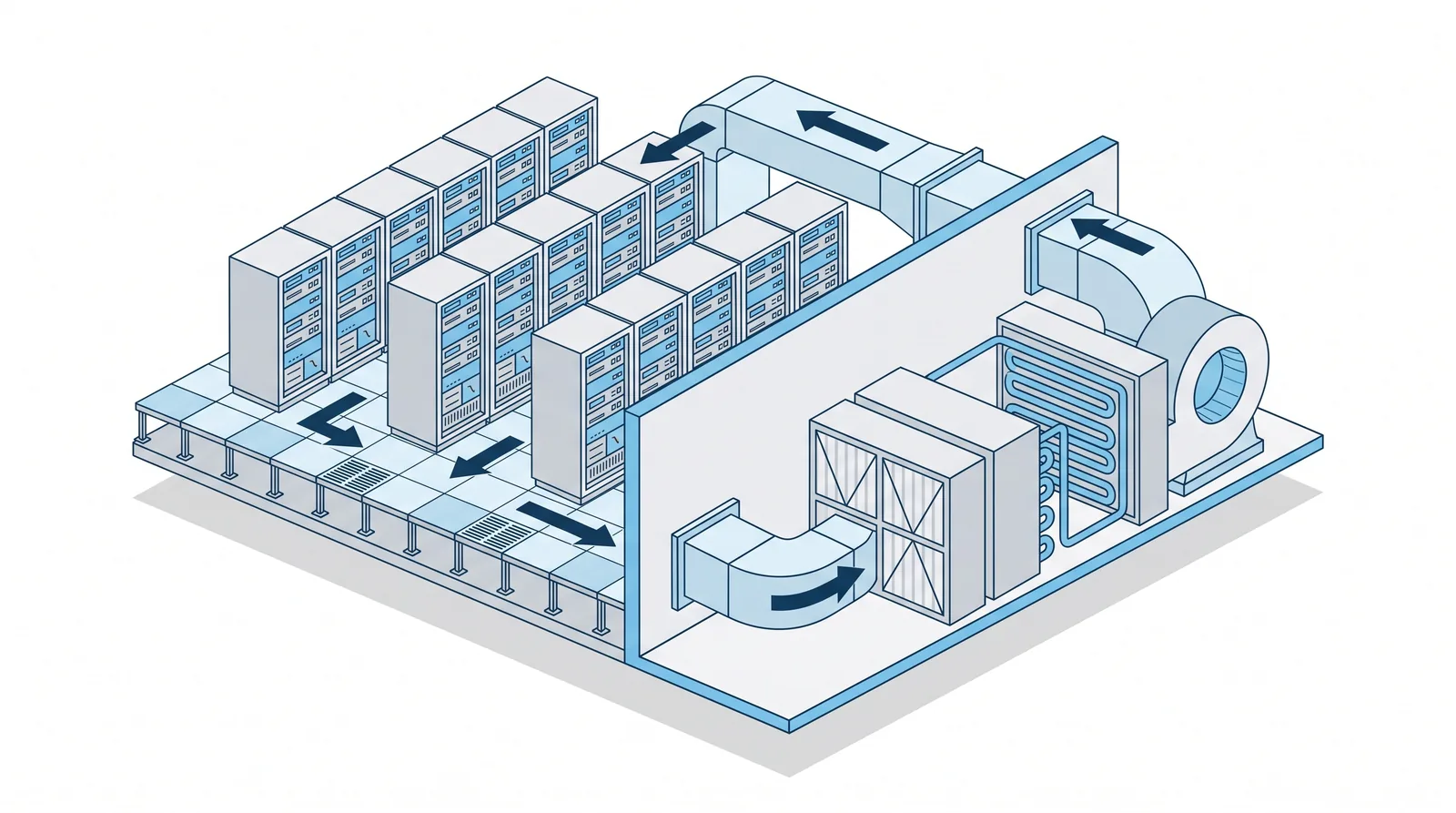
Cleanrooms for Data Centres: The Intelligent Infrastructure Behind the Digital World
How cleanroom systems protect data centre equipment with HEPA/ULPA filtration, controlled airflow, and precise temperature, humidity and particle control.
Guide · 8 min read
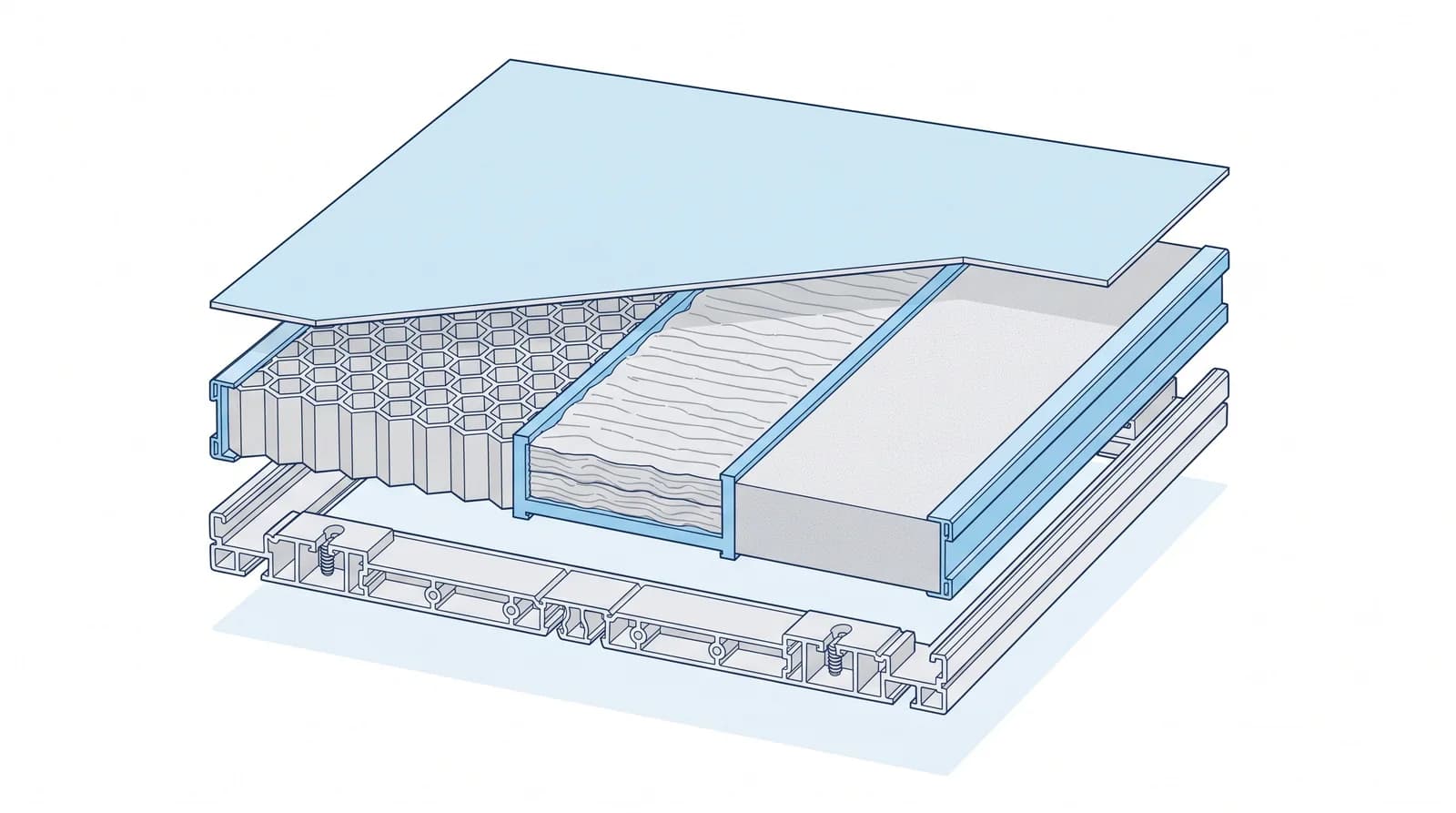
A Guide to Cleanroom Panels and Infill Materials Across Industries
A technical guide to cleanroom wall panels and infill core materials for pharmaceutical, solar, electronics and semiconductor cleanrooms.
Guide · 9 min read
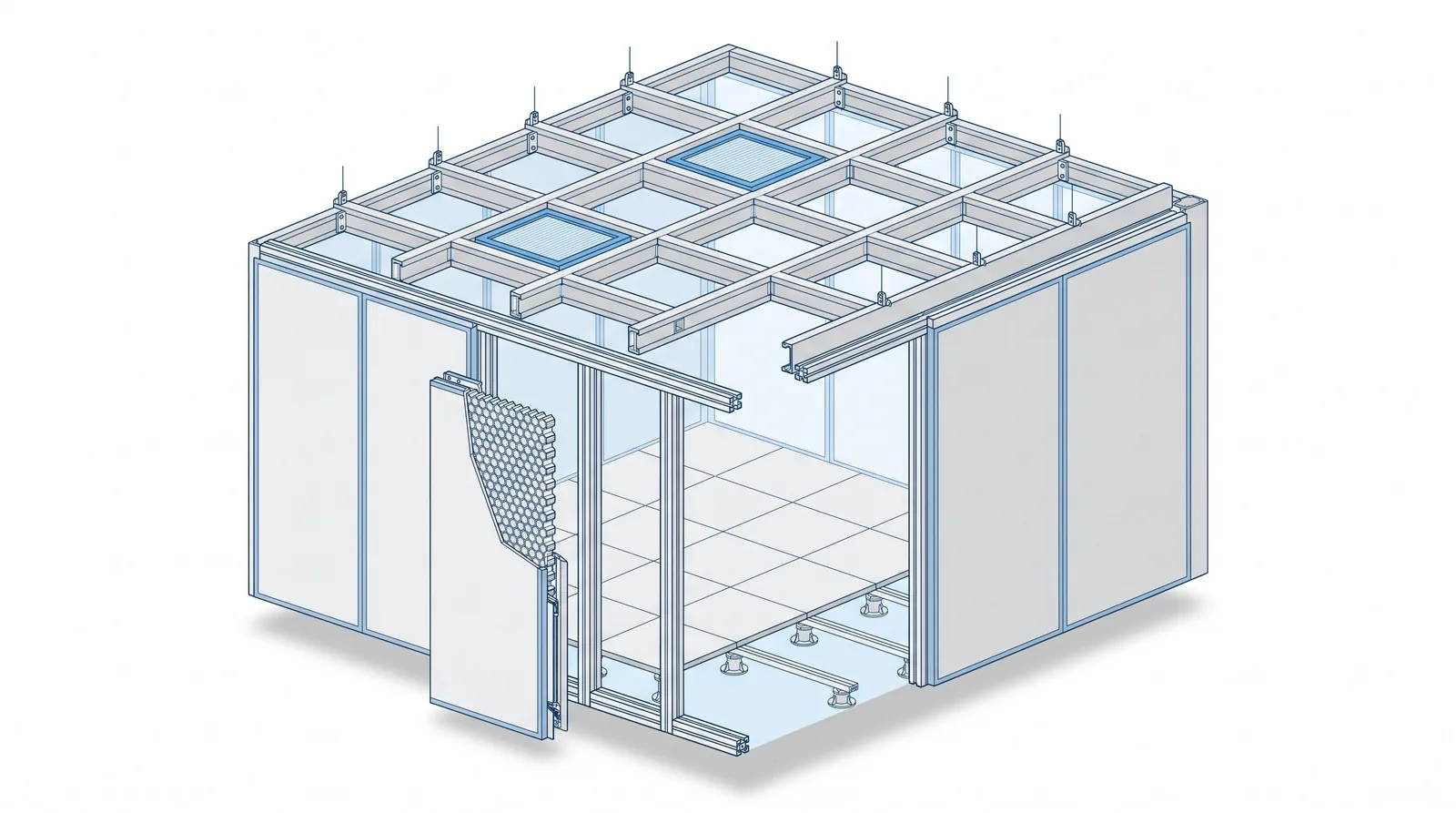
Modular Cleanroom vs Prefabricated Cleanroom: What's the Real Difference?
All modular cleanrooms are prefabricated, but not all prefabricated ones are modular. A practical engineering look at how they differ and when to use each.
Ready to move from reading to scoping? Our turnkey cleanroom services cover design, construction and validated handover as one accountable scope.
Talk to the engineers