

Sustainable Practices in Modular Cleanroom Manufacturing
Why modular cleanrooms are a sustainable choice for pharma: less material waste, energy-efficient HVAC, and future-proof, relocatable design.
8 min read · a working guide by the Fabtech Cleanrooms engineering team · first published 2025-07-04
The guide
A birthday gift once reached me wrapped in nothing but yesterday's newspaper. At first glance the choice looked like an afterthought, and I was about to say so when a friend beside me remarked on how fashionable the wrapping looked. I smiled politely, assuming it was sarcasm, but she was genuinely impressed. That moment sparked a larger conversation about how sustainability is no longer just a necessity but a style statement.
We talked about the fashion shows where designers now showcase eco-friendly fabrics, and how the spotlight is shifting to ethical and conscious manufacturing. What was once considered a lifestyle choice is now reflected in everyday aesthetics and decision-making.
In my professional world of pharmaceutical and biotech infrastructure, this idea has found its place through innovations such as modular cleanrooms.
01
Why Modular Cleanrooms Are a Sustainable Solution
Today, modular cleanrooms are increasingly viewed as sustainable building solutions. Their design and construction methods naturally support a greener, more efficient approach to developing high-performance facilities. Fabtech modular cleanrooms combine operational performance with environmental responsibility.
Reduced Material Waste
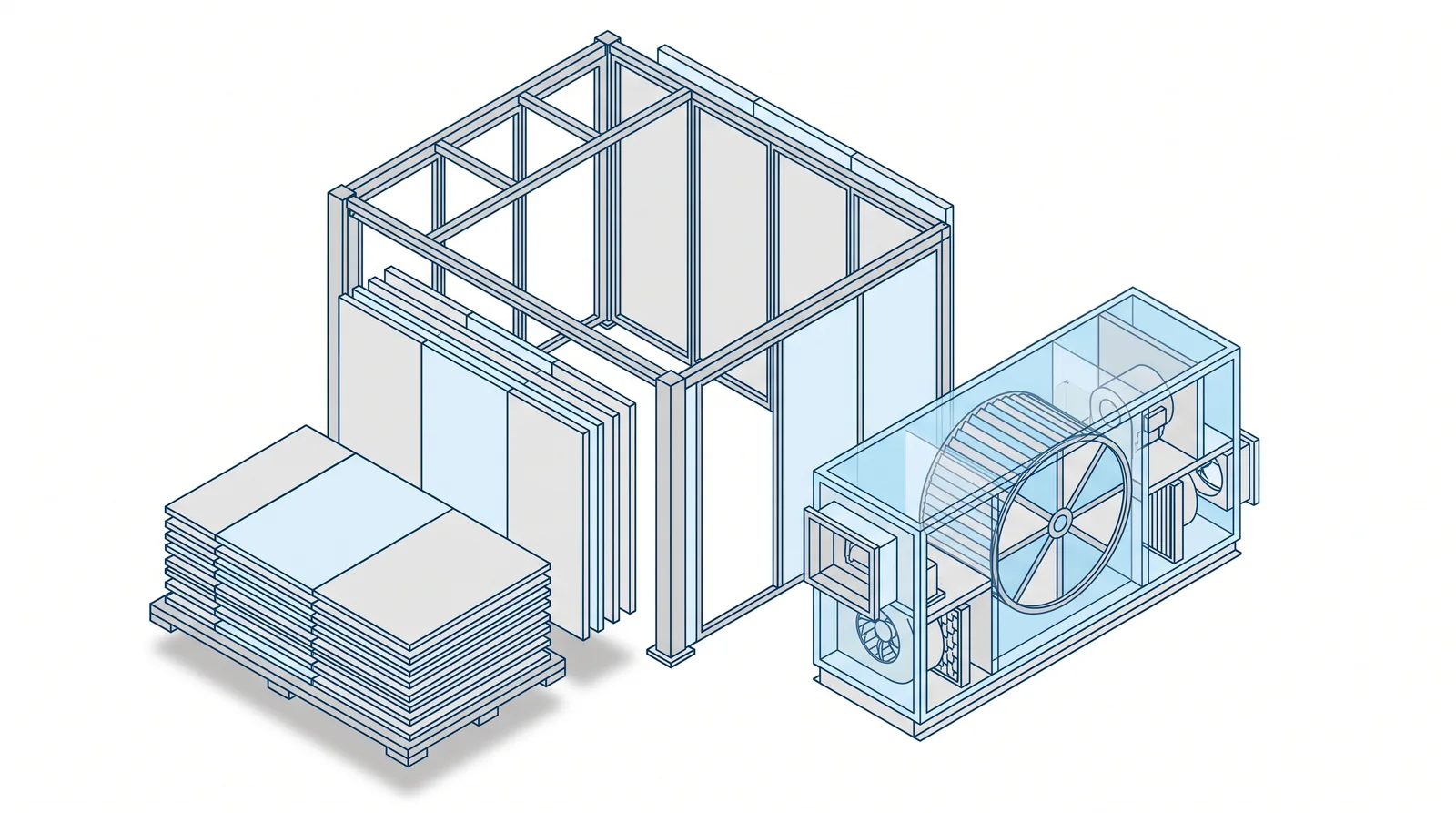
Traditional construction often involves on-site cutting, fitting, and significant waste. Modular cleanrooms, in contrast, are built using prefabricated panels, components and structures. These are manufactured off-site in controlled conditions, minimising material errors and ensuring precise use of resources.
Materials such as aluminium frames and PUF panels are not only durable and lightweight but also recyclable. This means that even at the end of a cleanroom's lifecycle, much of its material can be repurposed or recycled rather than ending up in landfill.
Energy Efficiency
Modular cleanrooms offer substantial benefits in terms of energy efficiency. Structural design that uses double-ceiling systems and plenum-based column structures improves air circulation and reduces the load on HVAC systems. Thermal insulation panels help maintain the required temperature and humidity levels with minimum energy input.
Zoned HVAC systems focus on supplying clean air only where it is needed, avoiding energy wastage in non-critical areas. The use of energy-efficient HEPA and ULPA filters keeps airflow resistance low, while LED lighting with occupancy sensors reduces power consumption without compromising illumination or compliance.
These systems work together to create a cleanroom environment that supports both productivity and sustainability.
Read more: our guide to cleanroom panels and infill materials across industries.
Future Proofing Through Modularity
Cleanrooms built with modular systems are inherently flexible. They can be expanded, reconfigured, or even relocated as operational needs change, without the need for demolition or complete reconstruction. This adaptability helps avoid overbuilding and lets organisations scale production efficiently while minimising environmental impact.
Repurposing the same infrastructure for different production lines or facility expansions reduces the need for new materials and heavy construction, contributing to a lower carbon footprint. This modularity helps businesses respond quickly to regulatory changes, upgrade processes, or enter new markets, all while maintaining a sustainable foundation.
Reducing Overall Environmental Impact
The environmental benefits of modular construction go beyond materials and energy efficiency. Modular construction limits on-site activity, which in turn means less noise, less dust, fewer emissions from machinery, and minimal disturbance to the surrounding area.
Because most of the cleanroom components are prefabricated and assembled on site with minimal alteration, there is less vehicle movement, less construction waste, a more streamlined workflow and better resource allocation. This process shortens project timelines and significantly reduces the emissions associated with transport and heavy equipment.
What That Looks Like in a Fabtech Cleanroom
By building in these sustainable practices, Fabtech modular cleanrooms reduce their environmental impact, promote resource efficiency, and support a more considered approach to cleanroom manufacturing.
Cleanrooms are essential clean-air solutions, and they are among the most energy-intensive parts of a pharmaceutical facility in India, so the engineering behind the air is where the savings are won. Our HVAC designs use high-grade, energy-efficient filters to maintain the environmental conditions that production processes require, forming the backbone of GMP cleanrooms in India.
Precision airflow management maintains cleanroom classifications without energy waste. Positive air pressure in manufacturing areas prevents contamination, while HEPA filtration removes the finest particles that could compromise product integrity. Ventilation with real-time monitoring responds to room occupancy and environmental parameters, so airflow stays optimised and unnecessary energy use is cut.
Read more: cleanrooms for data centres and the infrastructure behind the digital world.
02
Sustainability Is a Mindset
Sustainability in cleanroom construction is not just about ticking off an environmental checklist. It is about adopting a mindset that values intelligent design, responsible innovation, and long-term thinking.
Modular cleanrooms go beyond delivering regulatory compliance in high-performance environments. They set a new benchmark for sustainability in engineering and infrastructure.
As a cleanroom infrastructure manufacturer working across India, our design choices are driven by precision and purpose. You can see how that plays out on a real, delivered project in our Ajanta Pharma cleanroom case study.
If you are planning a build, this thinking runs through our modular cleanroom panels and our turnkey cleanroom design and build service.
With each cleanroom we build, we move a step closer to a more sustainable future, delivering performance today while preserving resources for tomorrow. Let us build the next one together.
Keep reading
More from design and build
Guide · 9 min read
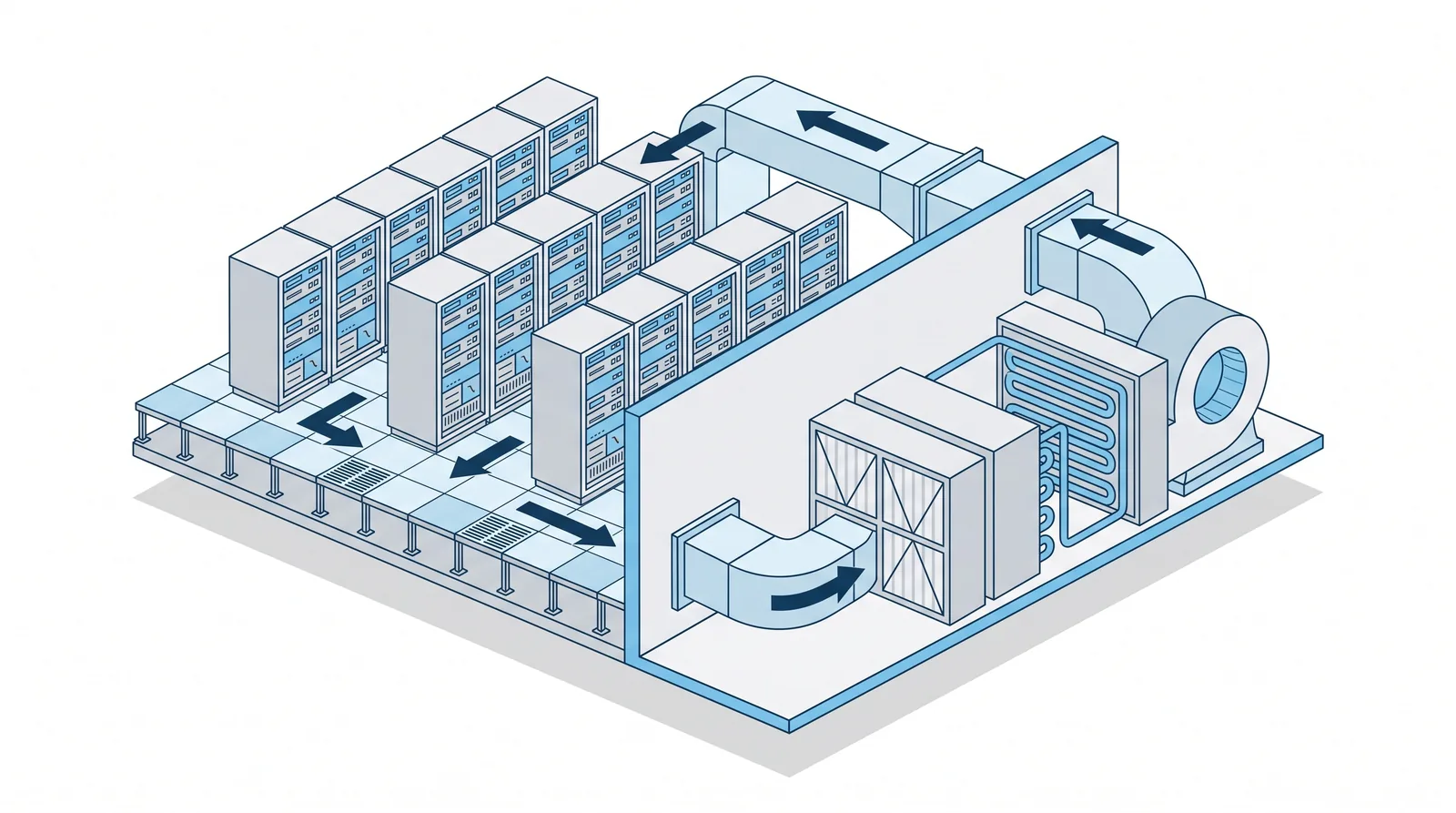
Cleanrooms for Data Centres: The Intelligent Infrastructure Behind the Digital World
How cleanroom systems protect data centre equipment with HEPA/ULPA filtration, controlled airflow, and precise temperature, humidity and particle control.
Guide · 8 min read
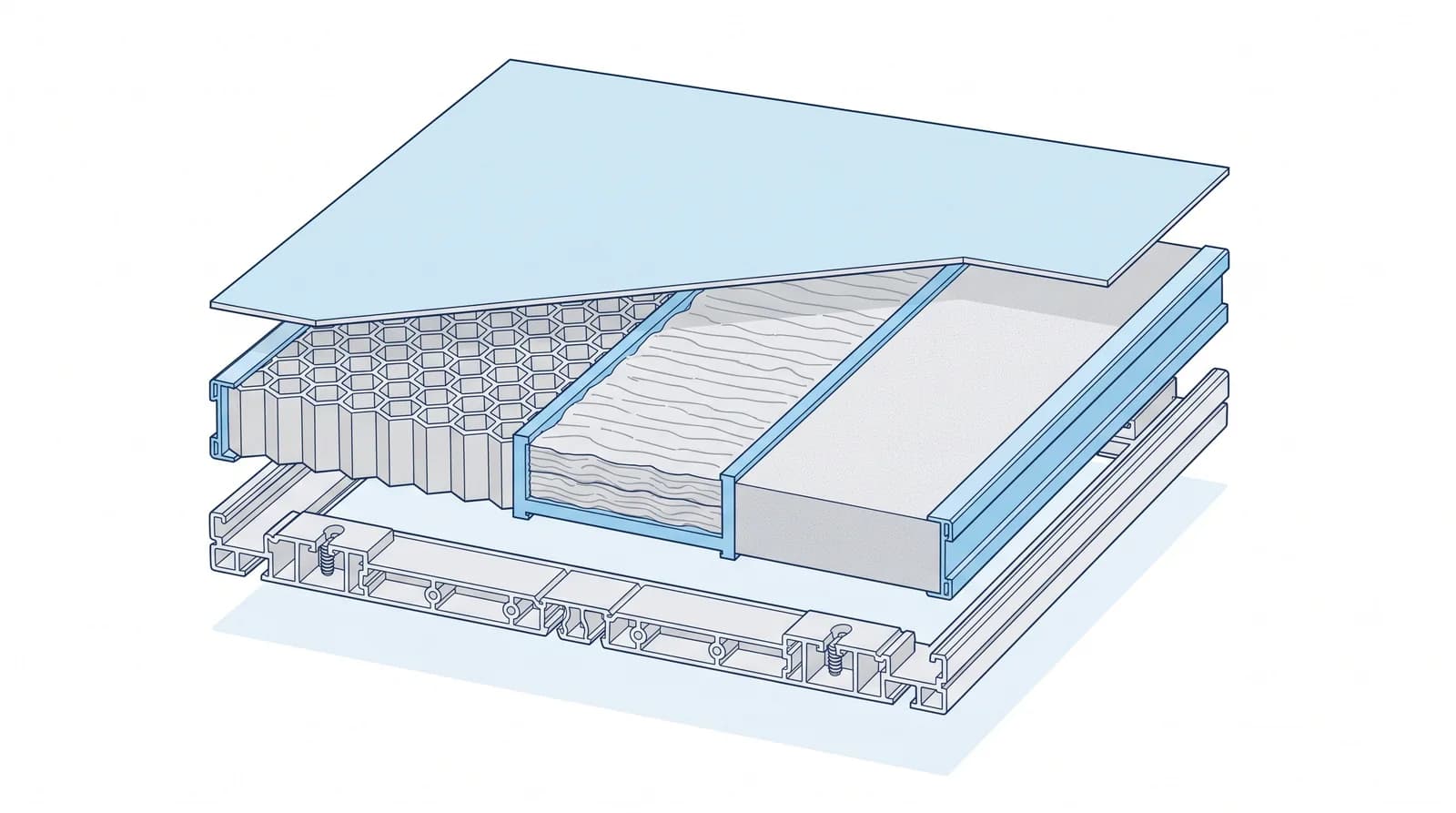
A Guide to Cleanroom Panels and Infill Materials Across Industries
A technical guide to cleanroom wall panels and infill core materials for pharmaceutical, solar, electronics and semiconductor cleanrooms.
Guide · 8 min read
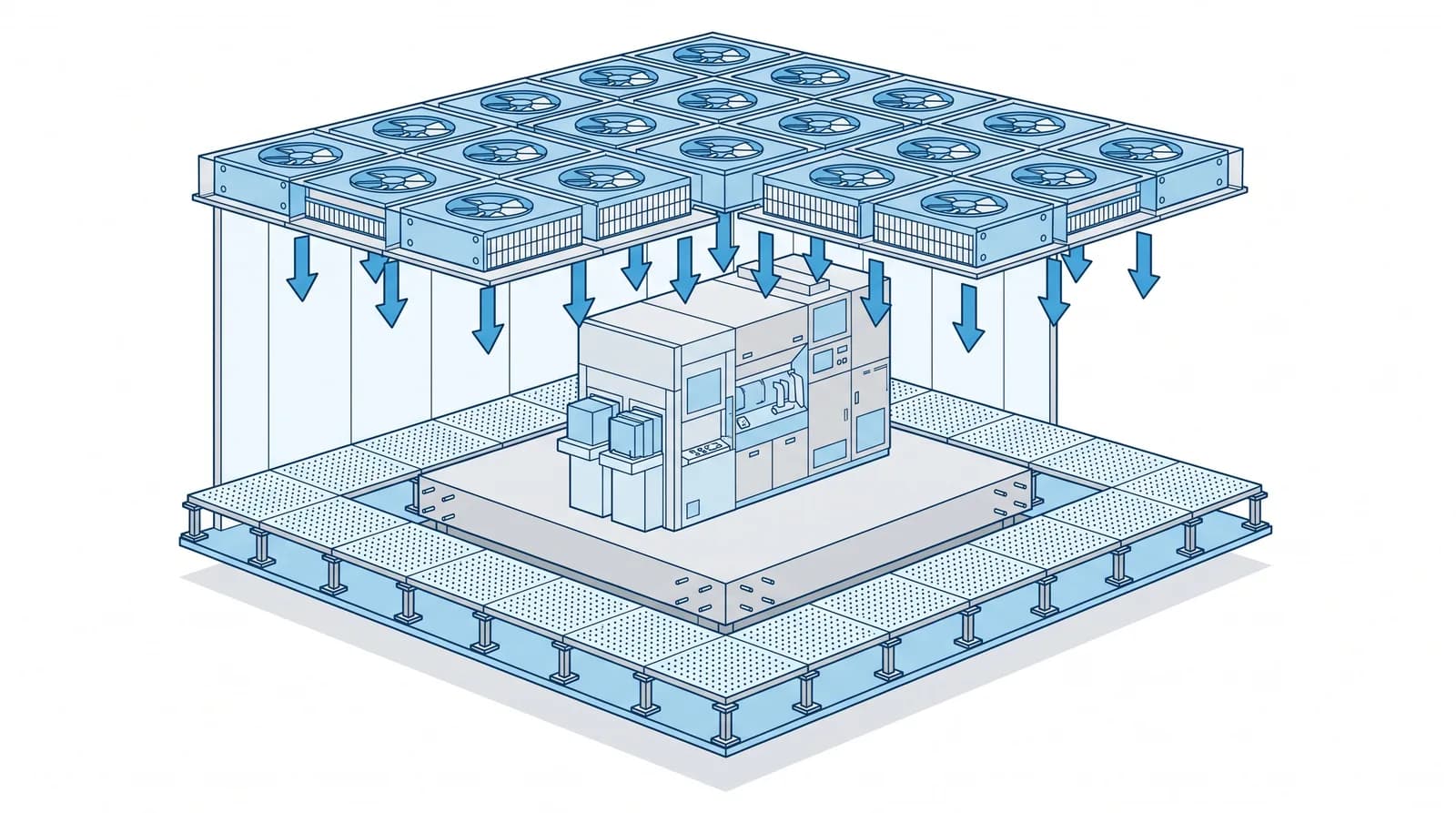
How Modular Cleanrooms Satisfy Semiconductor Requirements
How modular cleanrooms meet semiconductor fab requirements: panel engineering, HEPA/ULPA HVAC, laminar airflow, vibration isolation and monitoring.
Ready to move from reading to scoping? Our turnkey cleanroom services cover design, construction and validated handover as one accountable scope.
Talk to the engineers