

A Guide to Cleanroom Panels and Infill Materials Across Industries
A technical guide to cleanroom wall panels and infill core materials for pharmaceutical, solar, electronics and semiconductor cleanrooms.
8 min read · a working guide by the Fabtech Cleanrooms engineering team · first published 2025-03-27
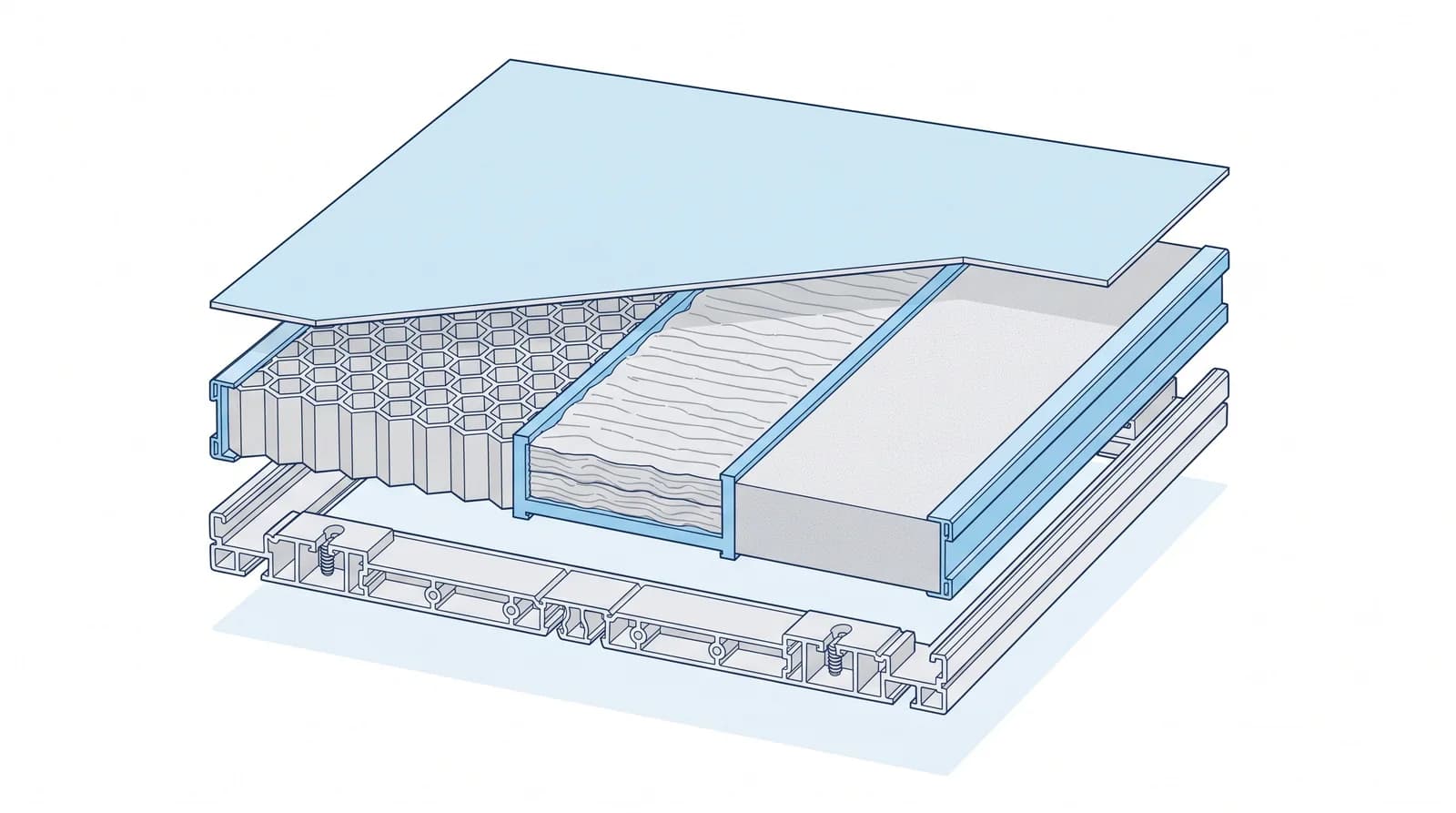
The guide
Thanks to sensor technology, our cars alert us the moment a door is not properly latched. A cleanroom envelope has no such alarm. A small gap in a panel frame can silently let microbes and contaminants into a space that is meant to keep them out. That is the level of precision cleanroom panels demand, where even the smallest imperfection can compromise the integrity of a controlled environment.
Cleanroom panels are not a one-size-fits-all solution. Each industry, from pharmaceuticals and solar to electronics and semiconductors, has distinct environmental and regulatory requirements that shape the choice of panel materials and infill cores.
This guide gives a technical overview of cleanroom panels, the infill materials inside them, and the benefits they offer across industries. For the commercial range and specifications, see Fabtech's modular cleanroom panels page.
01
Cleanroom Panels for the Pharmaceutical Industry
Types of Panels Used in the Pharmaceutical Industry
- Pre-coated GI (Galvanized Iron) panels: durability, chemical resistance and easy cleanability.
- Stainless steel (SS 304 / SS 316) panels: highly resistant to corrosion and microbial growth, making them ideal for pharmaceutical manufacturing plants.
- Aluminium honeycomb panels: lightweight and structurally rigid, allowing seamless, easy installation of modular cleanroom systems.
- Polyurethane (PU) / polyisocyanurate (PIR) insulated panels: thermal insulation and fire resistance, commonly used in controlled environments.
Infill Materials and Properties for the Pharmaceutical Industry
- Polyurethane (PU) foam: lightweight, with good thermal insulation and moisture resistance.
- Polyisocyanurate (PIR) foam: similar to PU but with higher fire resistance, ideal for sterile environments.
- Rockwool: excellent fire resistance and soundproofing, commonly used in GMP-compliant cleanrooms.
- Aluminium honeycomb: lightweight, high strength, rigid and durable, allowing modular cleanrooms to be reconfigured.
Key Benefits for the Pharmaceutical Industry
- Supports compliance with cGMP and US-FDA expectations.
- High hygiene and chemical resistance.
- Designed for sterile and aseptic applications.
02
Cleanroom Panels for the Solar Industry
Panels Used in the Solar Industry
- Aluminium composite panels (ACP): lightweight and corrosion-resistant, valued for their structural integrity.
- Glass reinforced plastic (GRP) panels: high durability and resistance to moisture and UV exposure, ideal for humid environments.
- Rockwool insulated panels: fire resistance, thermal resistance and excellent soundproofing, making them ideal for solar cell production cleanrooms.
Infill Materials and Properties for the Solar Industry
- Rockwool: fire resistance, thermal insulation and soundproofing.
- Glass wool: lightweight and cost-effective, offering good insulation properties.
- Polyisocyanurate (PIR) foam: preferred for its thermal efficiency and fire-retardant properties.
Key Benefits for the Solar Industry
- High fire-safety standards to prevent thermal hazards.
- Effective thermal insulation for controlled environments.
- Resistance to UV exposure and the corrosive chemicals used in solar cell manufacturing.
03
Cleanroom Panels for the Electronics Industry
Panels Used in the Electronics Industry
- Electrostatic dissipative (ESD) panels: prevent static buildup, which is critical in environments where electronic components are sensitive.
- High-pressure laminate (HPL) panels: excellent wear resistance and durability against chemicals.
- Aluminium honeycomb panels: valued for their light weight and high mechanical strength, supporting modular cleanroom structures.
Infill Materials and Properties for the Electronics Industry
- Electrostatic dissipative (ESD) honeycomb core: avoids static buildup, crucial for electronics manufacturing.
- Aluminium honeycomb: high strength, lightweight, and allows cleanrooms to be reconfigured easily.
- High-density mineral wool: fire-resistant, with excellent acoustic insulation.
- PU foam: lightweight, with moderate insulation properties for controlled environments.
Key Benefits for the Electronics Industry
- Electrostatic control for handling delicate electronic components.
- Protection against dust, humidity and contamination.
- Enhances manufacturing precision and reliability.
04
Cleanroom Panels for the Semiconductor Industry
Panels Used in the Semiconductor Industry
- ESD-controlled panels: prevent electrostatic discharge that can damage semiconductor components.
- Ultra-low outgassing panels: ensure minimal particle release to maintain ultra-clean conditions.
- Aluminium or stainless steel panels: corrosion-resistant, non-porous surfaces that prevent particle contamination.
- PVC-coated or powder-coated GI panels: smooth, antimicrobial surfaces for enhanced contamination control.
Infill Materials and Properties for the Semiconductor Industry
- Aluminium honeycomb: minimal particle shedding, maintaining ultra-clean conditions.
- ESD-controlled polypropylene core: prevents static charge accumulation, protecting semiconductor components.
- Rockwool: fire-resistant and sound-absorbing, often used in high-precision manufacturing spaces.
- Phenolic resin foam: low outgassing, high fire resistance and chemical stability, ideal for wafer fabrication in high-purity environments.
Key Benefits for the Semiconductor Industry
- Ensures ultra-clean environments for semiconductor fabrication.
- Provides ESD protection to prevent component damage.
- Reduces contaminant exposure through careful material selection in semiconductor cleanrooms.
05
Fabtech Cleanroom Panels: The Promise and Protection They Hold
Fabtech's cleanroom panels are engineered around the specific requirements of each industry, from electrostatic control to cleanliness standards such as ISO 14644 and resistance to chemicals and environmental factors. Fabtech's modular cleanroom panels bring the advantages of prefabricated, off-site construction to a contamination-controlled environment. They offer:
- Smooth surfaces that minimise particle adhesion and are easy to clean.
- High chemical resistance against the harsh chemicals used in manufacturing processes.
- Low-outgassing properties that limit the release of volatile compounds into sensitive environments.
Panel Construction
- Insulated core for temperature stability across critical processes.
- Seamless joints that prevent particle accumulation at panel connections.
- Modular design for flexibility, scalability and straightforward installation.
Fabtech supplies these panels with a range of infill options to match the application, including PUF and Rockwool, with honeycomb-infill panels available as a specification option on projects that call for them.
Across the pharmaceutical, solar, electronics and semiconductor industries, organisations rely on Fabtech's panels, cleanroom infrastructure and turnkey cleanroom solutions, and our network of clients continues to grow. If you are planning a controlled environment, our engineers can help you specify the right panel and infill for your process. Talk to our team about your cleanroom panel requirements.
The right panel choice always follows the industry: how the room is used, the governing standard, and the target ISO class or GMP grade. For how those requirements change from one industry to the next, see Fabtech's cleanroom solutions by industry.
Keep reading
More from design and build
Guide · 9 min read
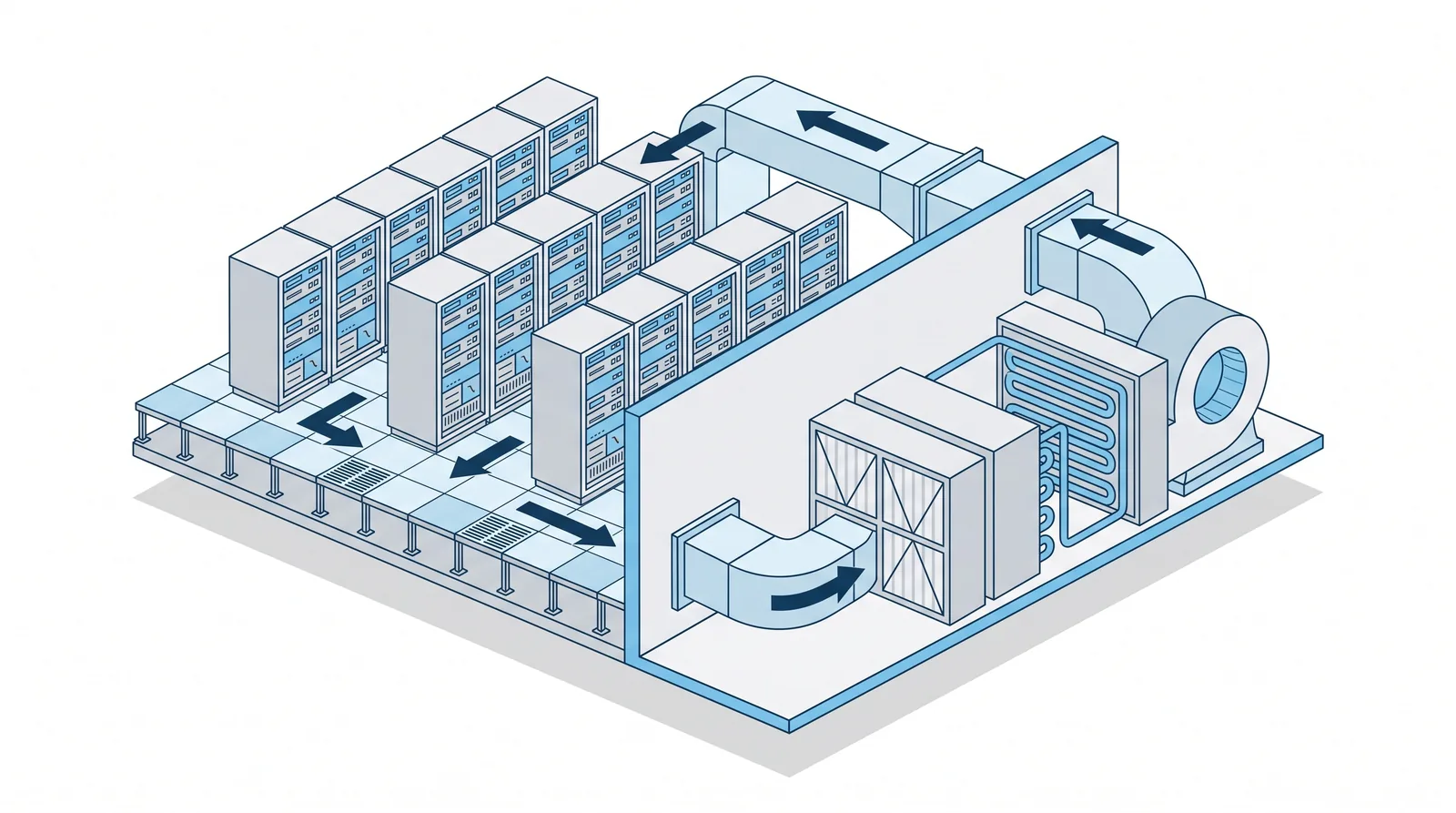
Cleanrooms for Data Centres: The Intelligent Infrastructure Behind the Digital World
How cleanroom systems protect data centre equipment with HEPA/ULPA filtration, controlled airflow, and precise temperature, humidity and particle control.
Guide · 8 min read
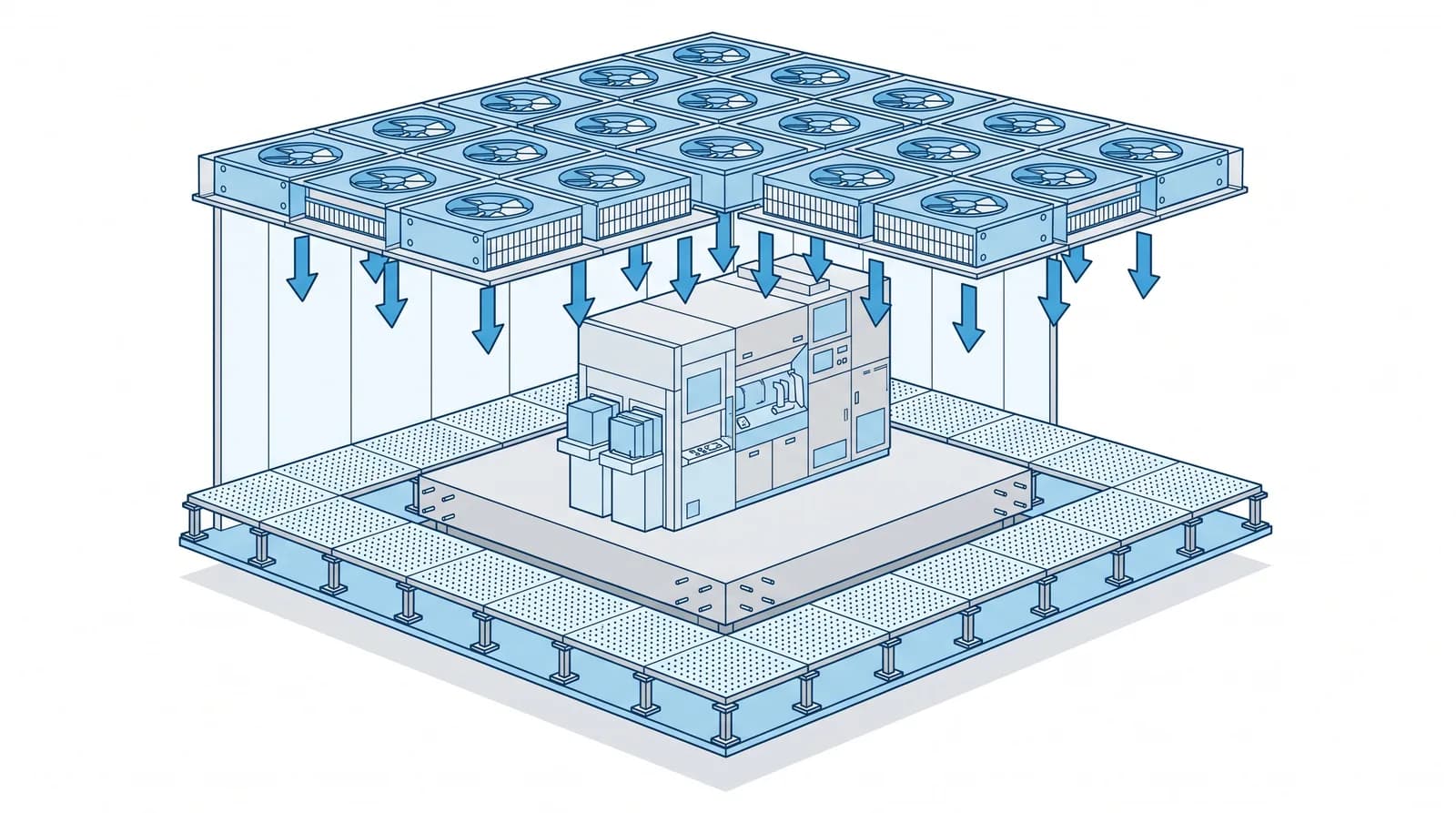
How Modular Cleanrooms Satisfy Semiconductor Requirements
How modular cleanrooms meet semiconductor fab requirements: panel engineering, HEPA/ULPA HVAC, laminar airflow, vibration isolation and monitoring.
Guide · 9 min read
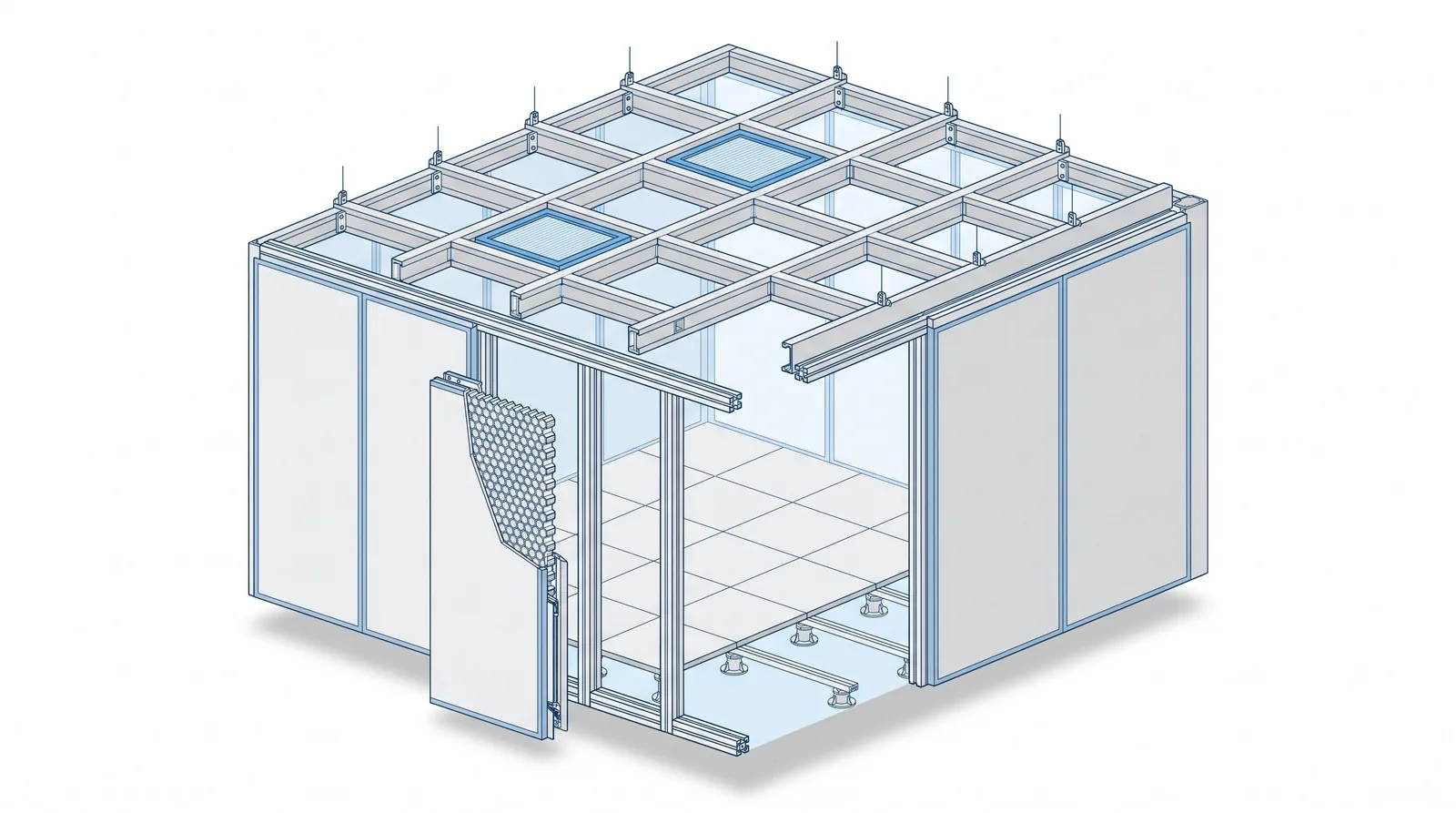
Modular Cleanroom vs Prefabricated Cleanroom: What's the Real Difference?
All modular cleanrooms are prefabricated, but not all prefabricated ones are modular. A practical engineering look at how they differ and when to use each.
Ready to move from reading to scoping? Our turnkey cleanroom services cover design, construction and validated handover as one accountable scope.
Talk to the engineers