

Why Organisations Invest in High-Quality Cleanrooms
Ten reasons organisations invest in high-quality cleanrooms: compliance, product quality, efficiency, lower contamination costs and long-term value.
8 min read · a working guide by the Fabtech Cleanrooms engineering team · first published 2025-02-07
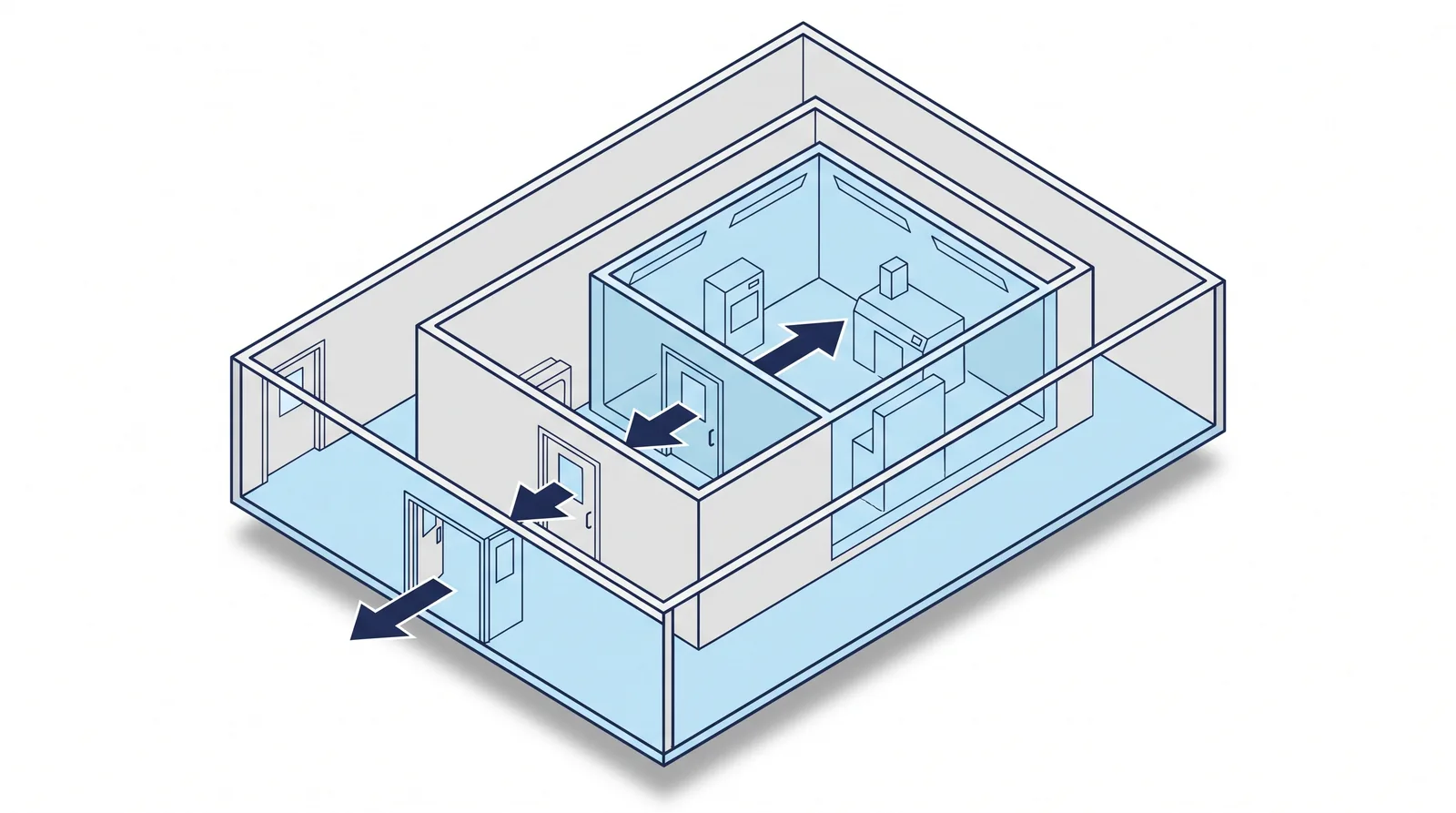
The guide
Every capital investment carries some uncertainty. A cleanroom is one of the few where spending well early lowers risk across the whole life of a facility. A high-quality cleanroom is a capital investment in the environment your product is made in, and the payback shows up where it matters: in quality, in productivity, and in the trust of the customers and auditors who rely on you. Today cleanroom applications span industries such as pharmaceuticals, semiconductors, automotive, and aerospace, where quality is non-negotiable.
This post walks through the key reasons a high-quality cleanroom is worth the spend for a modern organisation.
01
Key Benefits of Investing in High-Quality Cleanrooms
1. Ensuring regulatory compliance
Regulatory authorities such as the FDA, the EMA, and standards bodies such as ISO (through ISO 14644) set stringent expectations for cleanroom environments, particularly in industries where contamination can compromise product safety. A high-quality cleanroom is designed to meet, and often exceed, these standards, which gives an organisation confidence when an auditor arrives. Failure to hold those standards can lead to costly recalls, reputational damage, and legal penalties.
2. Improving product quality
Cleanroom systems play a critical role in controlling particle and microbial contamination. That control is essential for manufacturing sensitive products such as precision electronics and advanced medical devices, and for bringing sterility to the pharmaceutical production process. A high-quality cleanroom holds a controlled environment and reduces the risk of defects and contamination that would otherwise compromise product efficacy and safety.
3. Enhancing operational efficiency
Well-designed cleanrooms integrate proven technologies, ergonomic layouts, and efficient air-handling systems. These features streamline workflows, improve productivity, and shorten timelines. Modular cleanroom panels and HEPA filtration systems add to that efficiency by optimising resource use and simplifying installation.
4. Facilitating easy maintenance
Modern modular cleanrooms have become the practical answer to flexibility and speed. They are straightforward to maintain and adaptable in times of critical health crises, pandemics, and fast-changing medical needs. The modular cleanroom wall panels are pre-engineered and pre-fabricated to eliminate additional cutting or grinding during installation. They are comparatively inexpensive to reconfigure or modify, and they give superior control over airflow, pressure, temperature, humidity, and filtration.
5. Supporting innovation
Pharmaceutical manufacturing facilities, including those for gene therapy and nanotechnology, along with industries such as semiconductor manufacturing, need advanced cleanroom environments to support innovation. A high-quality cleanroom equipped with modern technologies, modular cleanroom panels, epoxy flooring, and HVAC systems provides the setting for cutting-edge research and development, so companies can stay ahead in competitive markets.
6. Catering to growing demand
Cleanrooms were once concentrated in a few industries. Today the demand spans a far wider range, as more and more sectors leverage the advantages of a controlled environment. Cleanroom designs are now used well beyond pharmaceuticals, including in hospitals, biotechnology, electronics manufacturing, and food processing.
7. Strengthening brand reputation
Product integrity is a direct reflection of a company's commitment to quality. A high-quality cleanroom demonstrates a commitment to excellence and reliability, and it earns trust from stakeholders, clients, and regulatory bodies. For industries that prioritise advancement, cleanrooms have become part of how quality is judged. A strong reputation translates into customer loyalty and opens doors to new opportunities.
8. Reducing contamination-related costs
Contamination incidents can lead to significant financial losses, including product recalls, wasted materials, and halted production. A high-quality cleanroom mitigates these risks by holding a controlled environment with stringent contamination-control measures. That spending saves the costs tied to non-compliance and production failures.
9. Meeting sustainability goals
Modern high-quality cleanrooms are increasingly designed with sustainability in mind. Energy-efficient modular HVAC systems, eco-friendly materials, and smart monitoring systems reduce the environmental footprint while lowering operating costs. These features align with global sustainability goals, which matter more and more for corporate social responsibility and regulatory compliance.
10. Protecting long-term value
A high-quality cleanroom is a durable asset that holds its value over time. Spending on superior materials, robust modular HVAC systems, and scalable designs minimises maintenance costs and keeps the facility compliant as regulatory standards evolve. Scalable cleanrooms also allow for future expansion without significant reinvestment.
For organisations operating in highly regulated and competitive industries, a high-quality cleanroom is not a luxury but a necessity that supports long-term growth, sustainability, and resilience. Cleanroom consulting firms are valuable in guiding businesses through implementation and regulatory compliance in India.
02
Why Choose Fabtech Cleanrooms for Your Facility
Fabtech cleanrooms carry all the advantages set out above.
Our infrastructure is engineered by experienced professionals who work from your project's goals, the criticality of your manufacturing process, and the requirements specific to your industry.
From holding sterility and safety to optimising operational efficiency, our cleanrooms have been part of demanding projects such as the Bhabha Atomic Research Centre, Mumbai, and West Coast, Hyderabad, among others.
Our offerings cover:
Cleanroom infrastructure. Design and engineering of wall panels (including modular cleanroom panels) and partition systems, doors with hermetic seals and view panels, suspended ceiling systems with integrated lighting, and electrical wiring and utility connections.
Cleanroom systems. Turnkey HVAC solutions, HEPA filters for laminar airflow, pressure differential controls, and environmental monitoring systems.
Cleanroom equipment. Containment systems such as isolators, and clean-air solutions such as air showers, mist showers, static and dynamic pass boxes, vertical laminar airflow units, laminar airflow workbenches, mobile laminar airflow trolleys, sampling and dispensing booths, and dedusting tunnels.
With our expertise in turnkey cleanroom manufacturing and installation, we execute greenfield and brownfield pharmaceutical engineering projects. Our work spans the whole lifecycle, from feasibility studies through facility design to project completion, engineered to withstand inspection under global regulatory expectations.
The design, construction, and validated handover behind all of this is covered on our turnkey cleanroom services page.
If you want the detail on the modular cleanroom panels that make much of this possible, that sits on our modular cleanroom panels page.
For a worked example of a cleanroom designed, built, and validated end to end, see the Ajanta Pharma cleanroom case study.
We want to bring the same standard to your project. Tell us your industry, your process, and your floor area, and our engineers will scope the design, HVAC, and validation plan around the ISO class or GMP grade your work demands.
Keep reading
More from design and build
Guide · 9 min read
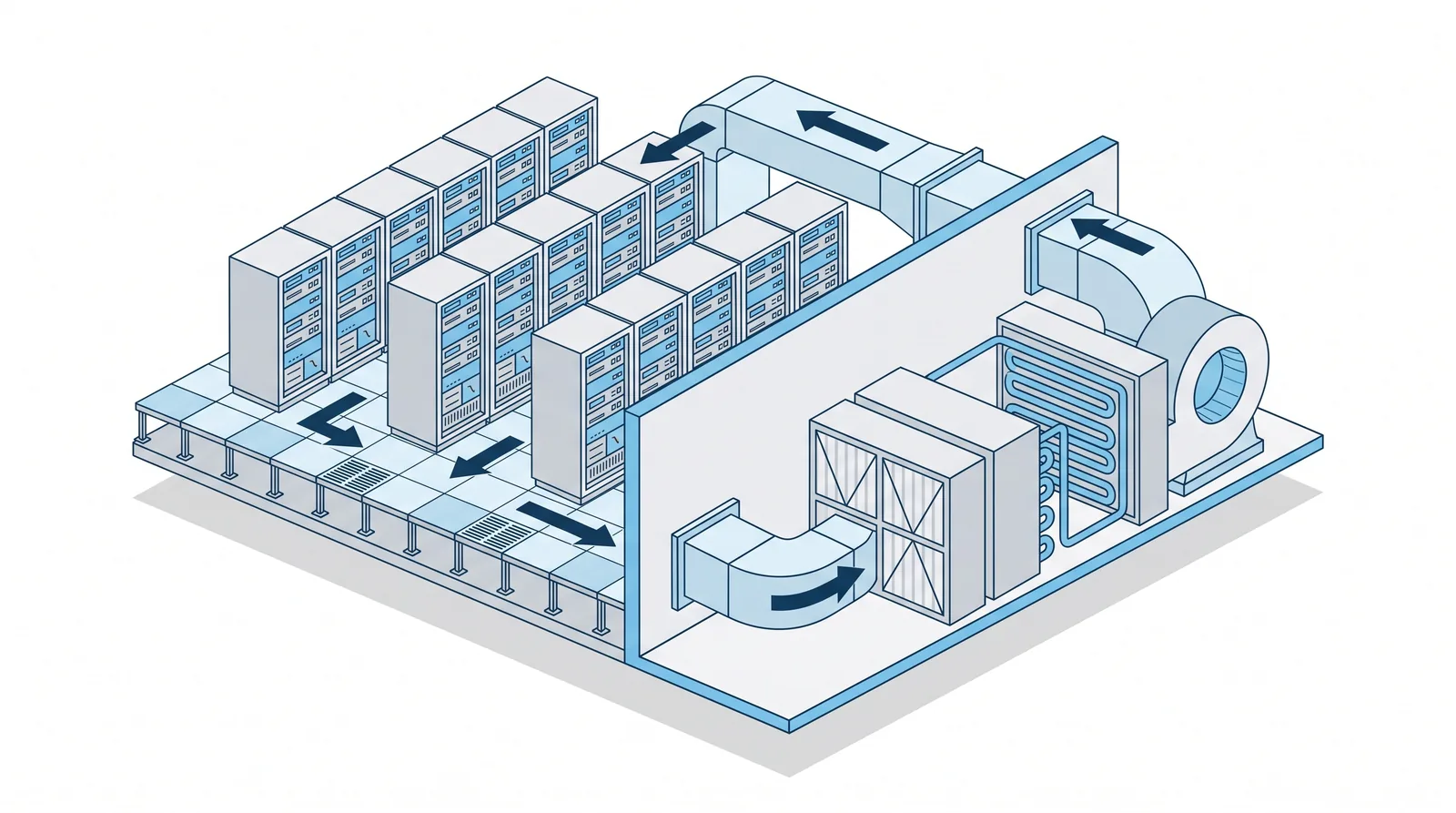
Cleanrooms for Data Centres: The Intelligent Infrastructure Behind the Digital World
How cleanroom systems protect data centre equipment with HEPA/ULPA filtration, controlled airflow, and precise temperature, humidity and particle control.
Guide · 8 min read
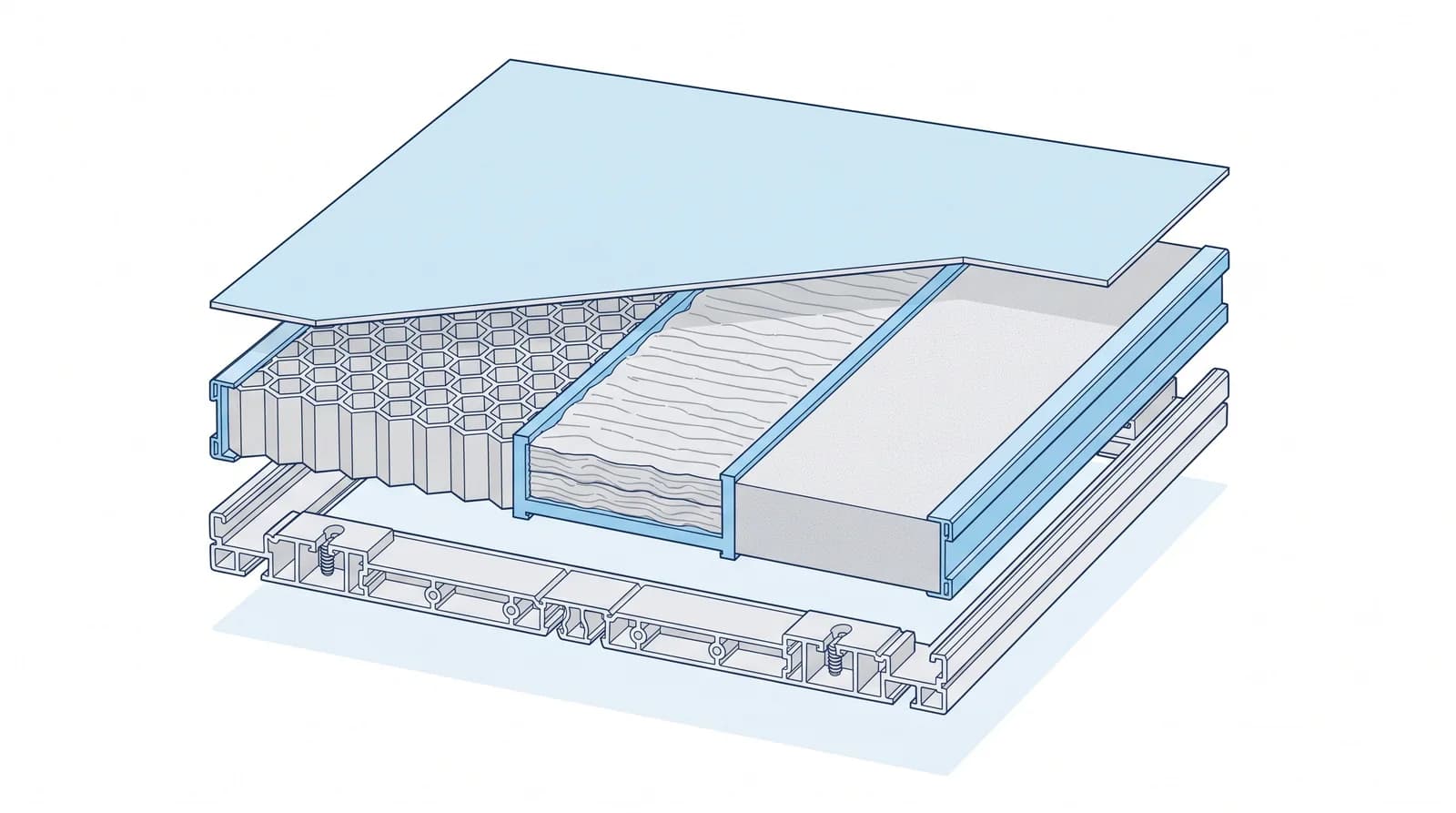
A Guide to Cleanroom Panels and Infill Materials Across Industries
A technical guide to cleanroom wall panels and infill core materials for pharmaceutical, solar, electronics and semiconductor cleanrooms.
Guide · 8 min read
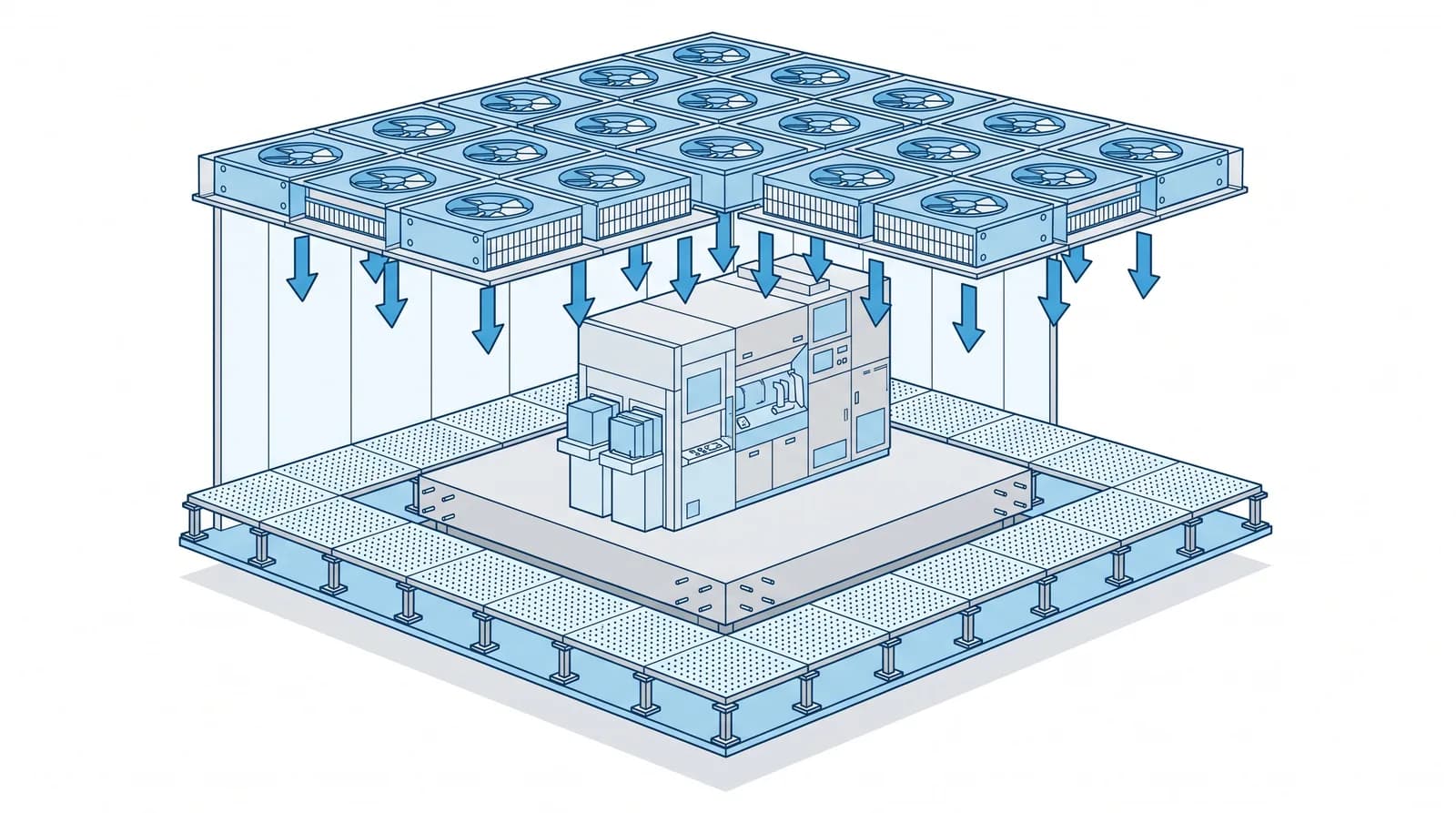
How Modular Cleanrooms Satisfy Semiconductor Requirements
How modular cleanrooms meet semiconductor fab requirements: panel engineering, HEPA/ULPA HVAC, laminar airflow, vibration isolation and monitoring.
Ready to move from reading to scoping? Our turnkey cleanroom services cover design, construction and validated handover as one accountable scope.
Talk to the engineers